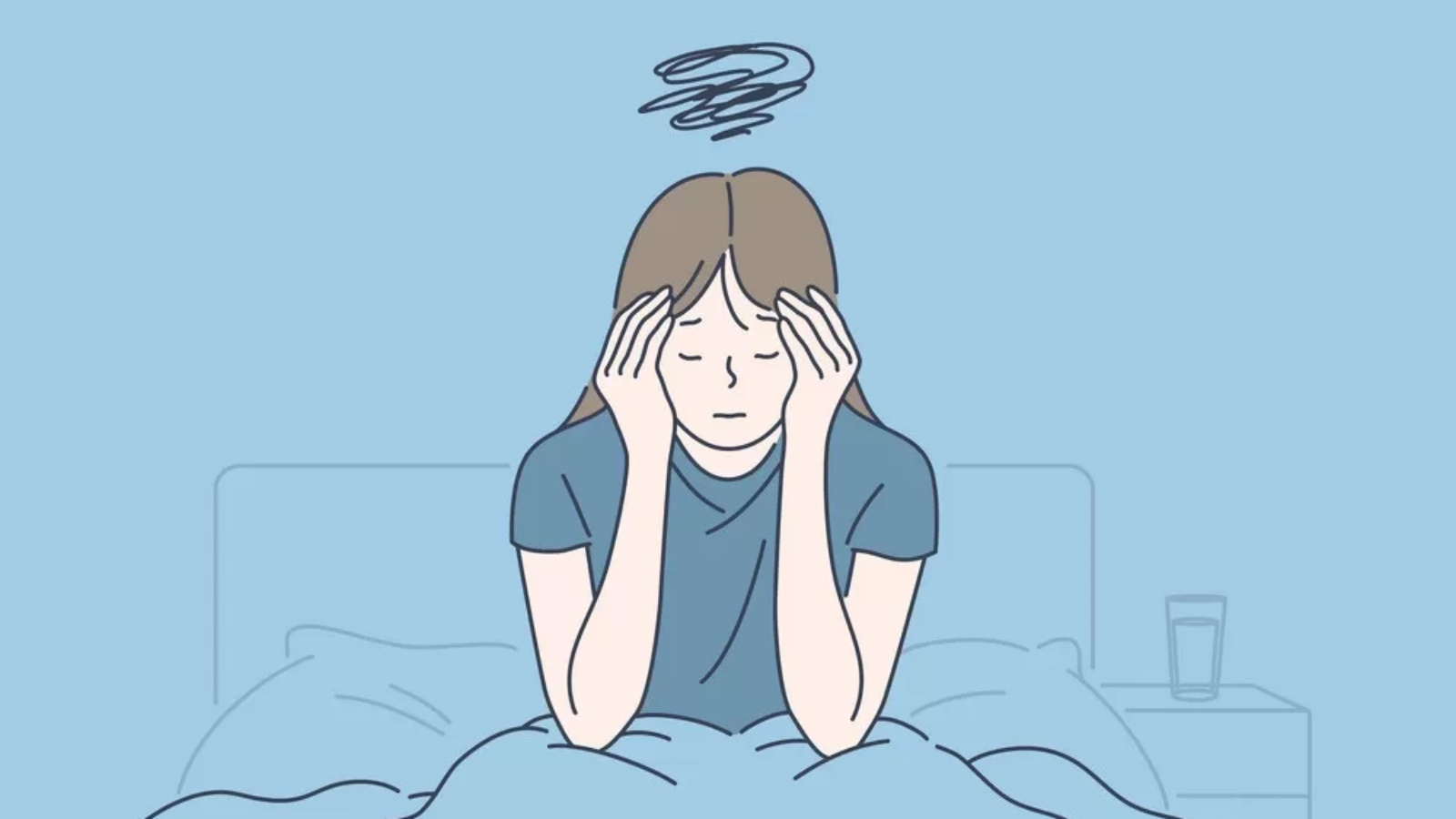
Premature Ovarian Insufficiency (POI) is when your ovaries decide to “retire early,” stopping regular estrogen production before you turn 40. Unlike typical menopause, POI can be unpredictable — your ovaries might still occasionally release eggs, leading to surprise periods or even a rare chance of pregnancy. About 5-10% of women with POI conceive naturally, making it a condition full of twists.
The cause of POI often remains a mystery, but factors like autoimmune disorders, genetic conditions like Turner syndrome, cancer treatments, or surgeries affecting your reproductive organs can trigger it. If your periods have suddenly stopped or become irregular, it’s worth discussing POI with a healthcare provider — it’s more common than you might think.
Symptoms of POI often mirror menopause, with hot flashes, night sweats, mood swings, and a drop in libido. Over time, POI can increase the risk of long-term health issues like osteoporosis and cardiovascular disease due to lower estrogen levels. Diagnosis usually involves hormone tests, genetic screening, and possibly a bone density scan.
Managing POI can feel like a roller coaster, but there is help. Hormone replacement therapy, lifestyle adjustments, and support networks can make a big difference. If something feels off, don’t hesitate to reach out — you’re not alone.
Migraines are more than just severe headaches—they are a neurological disorder affecting about one in seven people globally. Women are three times more likely to experience migraines than men, mainly due to hormonal fluctuations during menstruation, pregnancy, and menopause. These intense headaches can cause nausea, vomiting, sensitivity to light and sound, and, in some cases, visual disturbances known as auras.
A migraine attack typically has four phases: the prodrome (early symptoms like fatigue or irritability), aura (visual or sensory disturbances), headache (severe, throbbing pain, usually on one side of the head), and postdrome (exhaustion and confusion). Not all individuals experience every phase, making diagnosis and management challenging.
Migraine Triggers and Management
Several factors can trigger migraines, including stress, hormonal changes, irregular sleep patterns, dehydration, certain foods (like processed foods, alcohol, and caffeine), and sensory overload. Tracking these triggers through a migraine diary can help in identifying and minimizing them.
Management strategies vary from lifestyle changes to medical interventions. Acute treatments, taken at the onset of a migraine, include over-the-counter pain relievers like ibuprofen or aspirin and prescription medications like triptans. Preventive treatments may include beta-blockers, antidepressants, and anti-seizure medications. Hormone therapy can help women whose migraines are linked to hormonal fluctuations. Emerging therapies like CGRP monoclonal antibodies and neuromodulation devices show promising results for chronic migraine sufferers.
Living with migraines can be isolating and impact daily life, but understanding the condition and exploring treatment options can lead to better control and improved quality of life. Consulting a healthcare professional to develop a tailored management plan is crucial.
References:
National Institute for Health and Care Excellence (NICE), 2024.
Bigal M.E., Liberman J.N., Lipton R.B. (2026), “Age-dependent prevalence and clinical features of migraine,” Neurology, 67(2):246-251.
International Headache Society, “Chronic Migraine,” 2024.
Sacco S., Ricci S., Degan D., Carolei A. (2012), “Migraine in women: the role of hormones and their impact on vascular diseases,” J Headache Pain, 13(3):177-89.
NICE, “Scenario: Migraine in Adults,” 2024.
Godley F. 3rd et al., “How Sex Hormones Affect Migraine,” J Pers Med, 2024.
Trimboli M. et al., “External trigeminal neurostimulation in chronic migraine,” Pain Manag, 2023.
Understanding Adrenal Fatigue: Symptoms, Causes,
and Management Strategies
Adrenal fatigue is a term often used to describe a combination of symptoms, including chronic fatigue, sleep disturbances, and brain fog, which are believed to result from overworked adrenal glands due to prolonged stress. Although the condition is not medically recognized and lacks scientific backing, many people experience these symptoms and seek ways to address them.
Common Symptoms Reported by Women
Women with adrenal fatigue often report a variety of symptoms, including:
1. Persistent fatigue and low energy 2. Morning exhaustion, even after a full night’s sleep 3. Cravings for salty or sugary snacks 4. Difficulty concentrating, often referred to as “brain fog” 5. Feelings of being overwhelmed or anxious 6. Low libido and slower recovery from illness
Potential Causes and Contributing Factors
Several factors may contribute to the symptoms associated with adrenal fatigue:
1. Chronic Stress: Ongoing emotional or physical stress can put a significant strain on the body, leading to hormonal imbalances and exhaustion. 2. Poor Lifestyle Habits: Irregular eating patterns, overuse of caffeine, inadequate sleep, and lack of physical activity can all contribute to the symptoms. 3. Hormonal Imbalances: Conditions like thyroid dysfunction, perimenopause, or menstrual issues can exacerbate feelings of fatigue and brain fog. 4.Underlying Conditions: Conditions like hypothyroidism, depression, or chronic fatigue syndrome may also contribute to symptoms that are often mistaken for adrenal fatigue.
Medical Perspective
Most medical professionals do not recognize adrenal fatigue as a formal diagnosis. Instead, they typically attribute the symptoms to other underlying conditions. To rule out other potential causes, it’s recommended to undergo a thorough evaluation, including tests for thyroid function and cortisol levels. This can help ensure that any other conditions are properly addressed.
Managing Symptoms of Adrenal Fatigue
While adrenal fatigue may not be a formal diagnosis, there are strategies to help manage its symptoms and improve overall well-being:
Lifestyle Adjustments
1. Stress Management: Engage in practices like yoga, meditation, or deep breathing exercises to reduce stress and promote relaxation. 2. Sleep: Aim for 7–9 hours of quality sleep each night. Establish a consistent sleep schedule to support your body’s natural rhythms. 3. Balanced Diet: Consume a diet rich in whole foods, lean proteins, healthy fats, and plenty of vegetables. Avoid excess sugar and caffeine, as these can exacerbate symptoms. 4. Exercise: Regular moderate exercise such as walking, swimming, or cycling can help improve energy levels and reduce stress.
Consider Adaptogens
Adaptogenic herbs like ashwagandha and rhodiola may help the body cope with stress. However, it’s important to consult with a healthcare provider before introducing new supplements or herbs into your routine.
Seek Professional Guidance
It’s important to rule out other conditions through proper medical testing. Consider working with a holistic or functional medicine practitioner who can offer personalized treatment strategies, including dietary changes, lifestyle adjustments, and stress management techniques.
While adrenal fatigue is not a medically recognized condition, the symptoms many people experience are real. A holistic approach that focuses on managing stress, improving sleep, adopting a balanced diet, and seeking professional guidance can greatly improve overall well-being and quality of life.