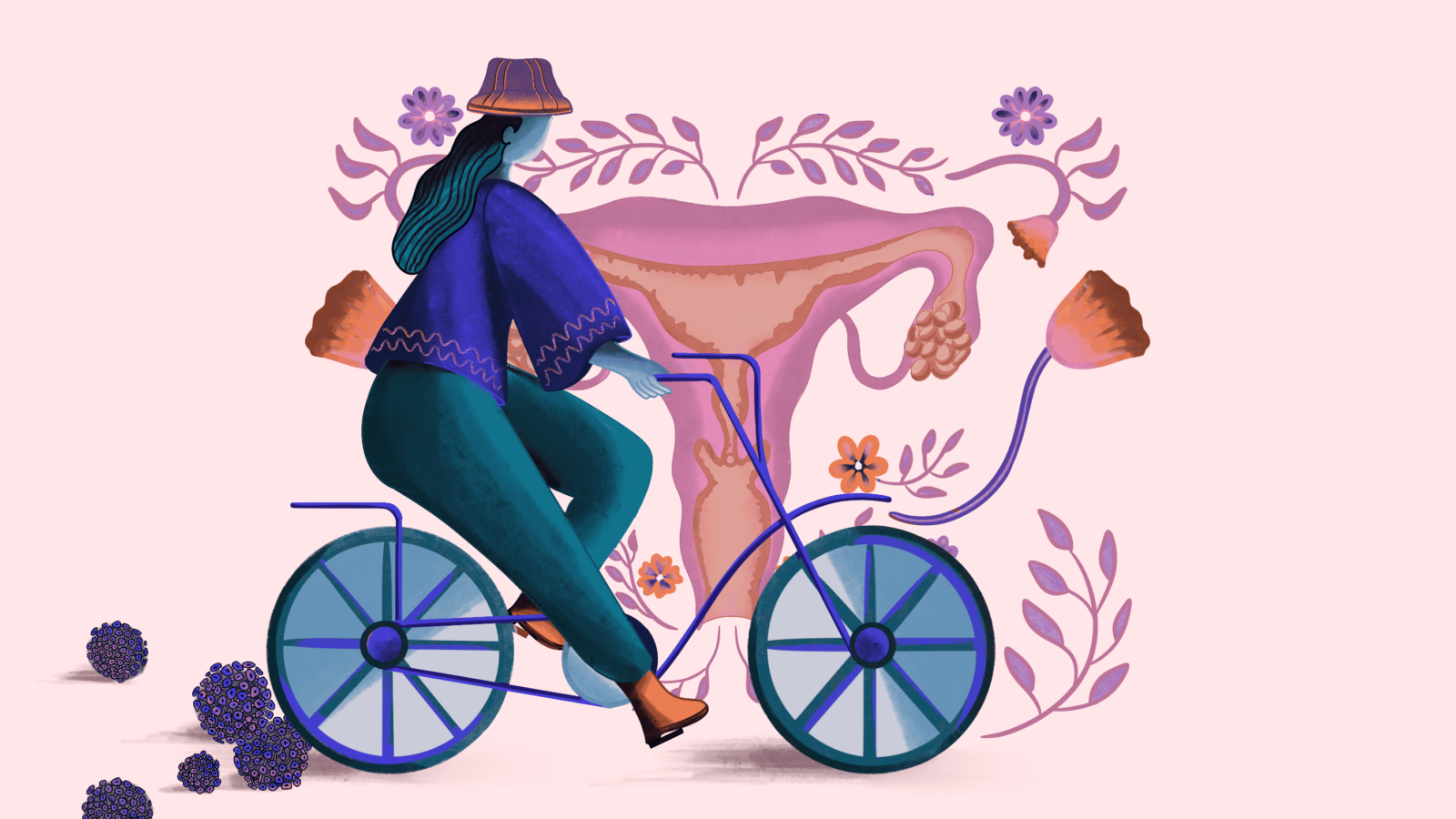



V53N6_cervical_cancer_screening_LadyfingersCo-min

Premature Ovarian Insufficiency POI

Premature Ovarian Insufficiency POI

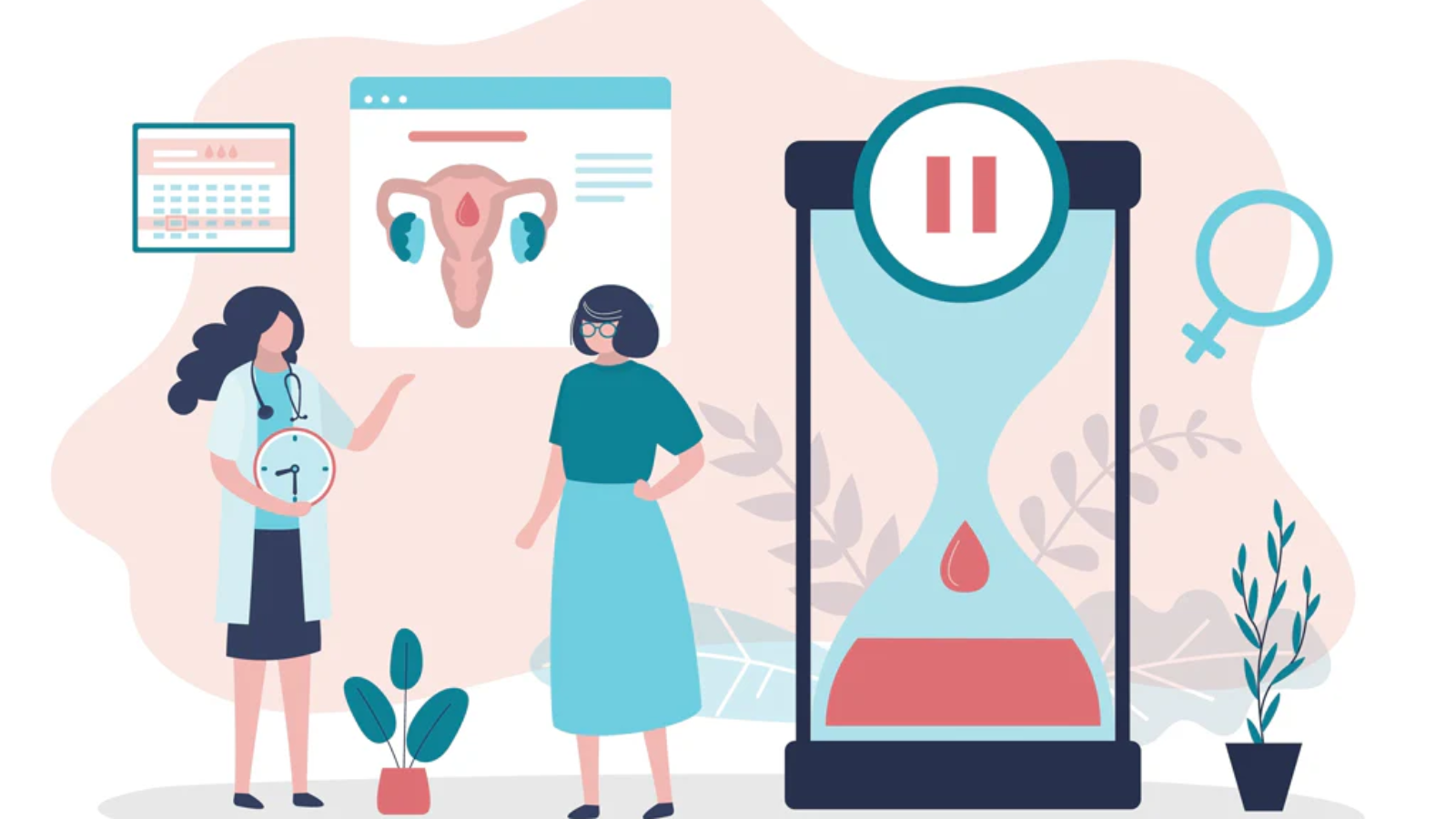
Premature Ovarian Insufficiency (POI) is when your ovaries decide to “retire early,” stopping regular estrogen production before you turn 40. Unlike typical menopause, POI can be unpredictable — your ovaries might still occasionally release eggs, leading to surprise periods or even a rare chance of pregnancy. About 5-10% of women with POI conceive naturally, making it a condition full of twists.

The cause of POI often remains a mystery, but factors like autoimmune disorders, genetic conditions like Turner syndrome, cancer treatments, or surgeries affecting your reproductive organs can trigger it. If your periods have suddenly stopped or become irregular, it’s worth discussing POI with a healthcare provider — it’s more common than you might think.

Symptoms of POI often mirror menopause, with hot flashes, night sweats, mood swings, and a drop in libido. Over time, POI can increase the risk of long-term health issues like osteoporosis and cardiovascular disease due to lower estrogen levels. Diagnosis usually involves hormone tests, genetic screening, and possibly a bone density scan.

Managing POI can feel like a roller coaster, but there is help. Hormone replacement therapy, lifestyle adjustments, and support networks can make a big difference. If something feels off, don’t hesitate to reach out — you’re not alone.

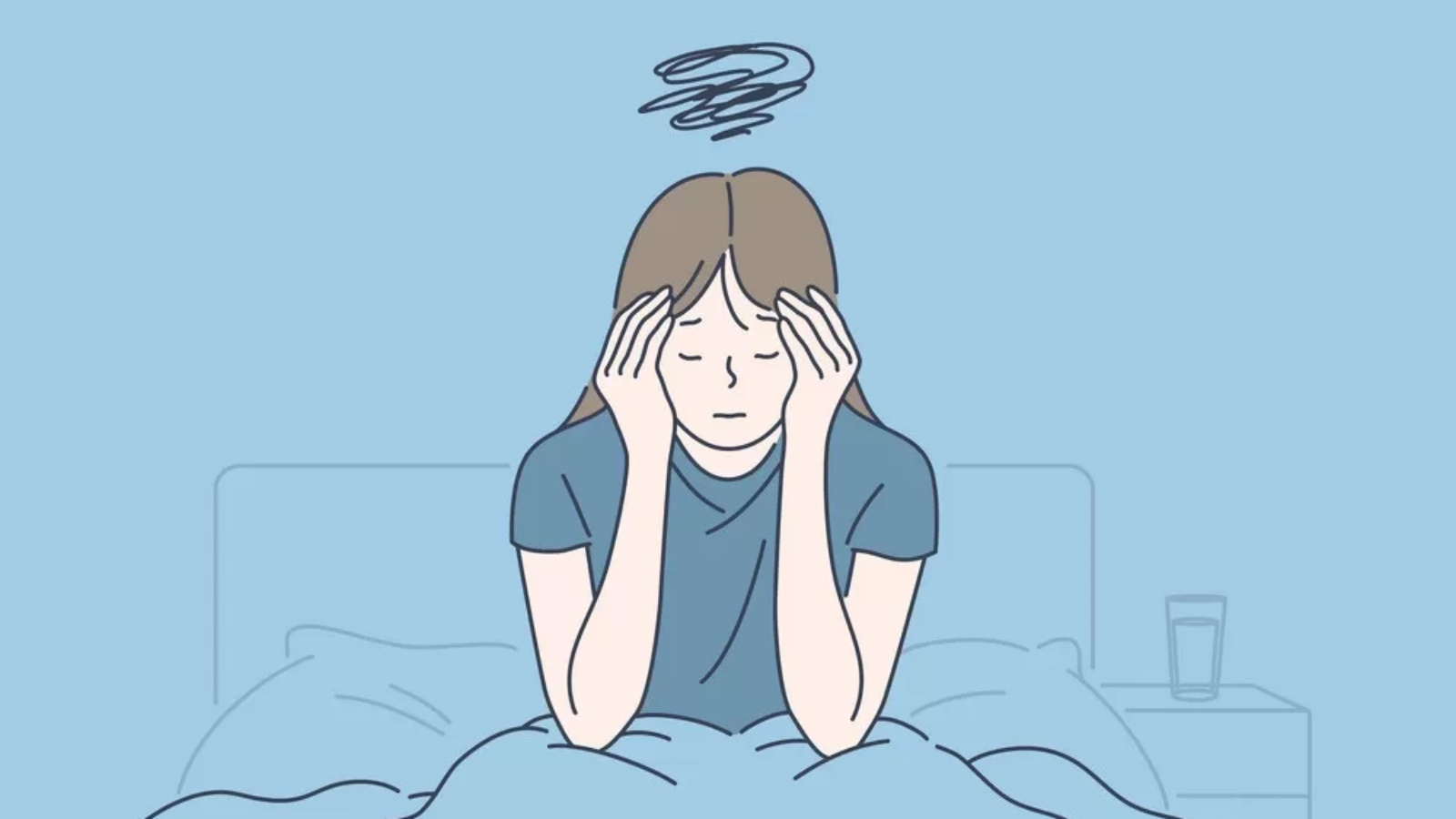
morning_migraine

Migraines :What you need to know

Migraines :What you need to know

Migraines are more than just severe headaches—they are a neurological disorder affecting about one in seven people globally. Women are three times more likely to experience migraines than men, mainly due to hormonal fluctuations during menstruation, pregnancy, and menopause. These intense headaches can cause nausea, vomiting, sensitivity to light and sound, and, in some cases, visual disturbances known as auras.

A migraine attack typically has four phases: the prodrome (early symptoms like fatigue or irritability), aura (visual or sensory disturbances), headache (severe, throbbing pain, usually on one side of the head), and postdrome (exhaustion and confusion). Not all individuals experience every phase, making diagnosis and management challenging.

Migraine Triggers and Management

Several factors can trigger migraines, including stress, hormonal changes, irregular sleep patterns, dehydration, certain foods (like processed foods, alcohol, and caffeine), and sensory overload. Tracking these triggers through a migraine diary can help in identifying and minimizing them.

Management strategies vary from lifestyle changes to medical interventions. Acute treatments, taken at the onset of a migraine, include over-the-counter pain relievers like ibuprofen or aspirin and prescription medications like triptans. Preventive treatments may include beta-blockers, antidepressants, and anti-seizure medications. Hormone therapy can help women whose migraines are linked to hormonal fluctuations. Emerging therapies like CGRP monoclonal antibodies and neuromodulation devices show promising results for chronic migraine sufferers.

Living with migraines can be isolating and impact daily life, but understanding the condition and exploring treatment options can lead to better control and improved quality of life. Consulting a healthcare professional to develop a tailored management plan is crucial.

References:

  1. National Institute for Health and Care Excellence (NICE), 2024.
  2. Bigal M.E., Liberman J.N., Lipton R.B. (2026), “Age-dependent prevalence and clinical features of migraine,” Neurology, 67(2):246-251.
  3. International Headache Society, “Chronic Migraine,” 2024.
  4. Sacco S., Ricci S., Degan D., Carolei A. (2012), “Migraine in women: the role of hormones and their impact on vascular diseases,” J Headache Pain, 13(3):177-89.
  5. NICE, “Scenario: Migraine in Adults,” 2024.
  6. Godley F. 3rd et al., “How Sex Hormones Affect Migraine,” J Pers Med, 2024.
  7. Trimboli M. et al., “External trigeminal neurostimulation in chronic migraine,” Pain Manag, 2023.
blog_menopause

Menopause and Weight Gain—Why Does It Happen?

Menopause and Weight Gain—Why Does It Happen?

Weight gain during menopause is a common concern—and it’s not just about calories. It’s the result of a complex mix of hormonal shifts, lifestyle factors, and changes in metabolism.

Hormones & Fat Distribution

Estrogen levels decline during menopause, which affects how and where your body stores fat—especially around the waist, known as “menopause belly.” Lower estrogen also impacts hunger and fullness cues, making cravings harder to resist.

Sleep, Stress & Metabolism

Sleep often takes a hit during menopause, which disrupts appetite-regulating hormones and raises stress levels—both of which can lead to weight gain. Add in a slower metabolism and changing body composition, and it becomes harder to shed extra kilos.

Health Matters

Menopausal weight gain isn’t just cosmetic. It increases the risk of heart disease, diabetes, and worsens symptoms like hot flushes and joint pain.

What Can Help?

Movement That Matters

Nourish, Don’t Restrict

Consider HRT

Prioritise Sleep & Stress Care

Ready to take control?

Our expert team—specialists, dietitians, and lifestyle coaches—can help create a personalized, holistic plan to manage weight during menopause. Book your consultation today and feel empowered to thrive in midlife and beyond.


PCOS-Treatment-in-Ahmedabad-1536x878

PCOS and Menopause: What to Expect and How to Manage It

Understanding PCOS and Menopause

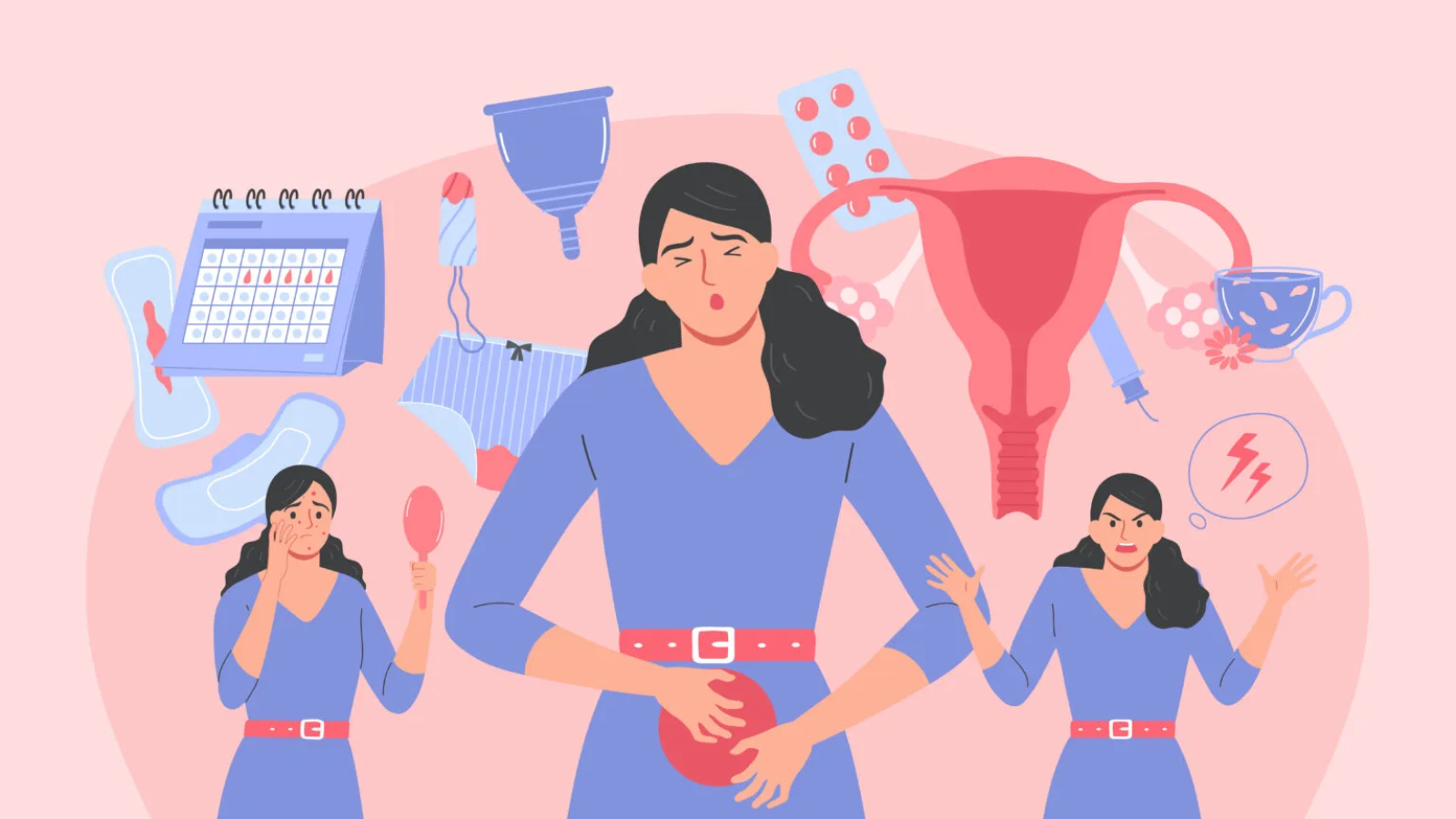
Polycystic Ovary Syndrome (PCOS) is one of the most common endocrine disorders, affecting 8-13% of reproductive-aged women. It leads to hormonal imbalances, irregular periods, and symptoms such as excess hair growth, acne, and weight gain. While menopause marks the end of the reproductive years, it brings its own set of hormonal changes that can impact women with PCOS differently.

So, what happens when a woman with PCOS enters menopause? Let’s explore the relationship between PCOS and menopause, how they influence each other, and the best ways to manage symptoms during this transition.

How PCOS Affects Menopause

PCOS can influence the timing and experience of menopause in several ways:

1. Delayed Menopause: Women with PCOS often reach menopause about two years later than those without the condition.

2. Changes in Symptoms: Some PCOS symptoms may improve, such as irregular periods and excess hair growth, while others, like weight gain and insulin resistance, may persist or worsen.

3. Hormonal Adjustments: As testosterone levels decline, symptoms related to excess androgens (like acne and hair growth) may lessen, but this can also lead to low libido and brain fog.

4. Menopause Symptoms: Research suggests women with PCOS may experience fewer hot flashes but are more likely to suffer from vaginal dryness.

5. Difficulty in Diagnosis: PCOS symptoms can overlap with menopause, making it harder to diagnose PCOS in perimenopausal women.

Does Menopause Cure PCOS?

Menopause does not cure PCOS. While ovulation stops and some symptoms may subside, underlying metabolic and hormonal issues, such as insulin resistance, high cholesterol, and increased cardiovascular risk, can persist and require ongoing management.

Managing PCOS During and After Menopause

Navigating menopause with PCOS can be challenging, but with the right approach, you can maintain your health and well-being.

1. Diet and Nutrition

  1. Follow a Mediterranean diet rich in whole foods, lean proteins, and healthy fats.
  2. Limit processed foods and refined sugars to stabilize blood sugar and reduce inflammation.
  3. Incorporate fiber-rich foods like whole grains and legumes for better gut health and hormone balance.

2. Exercise and Physical Activity

  1. Strength training helps preserve muscle mass and metabolism.
  2. Aerobic exercises, such as walking and cycling, support cardiovascular health and insulin sensitivity.
  3. Yoga and stretching exercises can improve flexibility, reduce stress, and enhance joint health.

3. Sleep Hygiene

  1. Establish a bedtime routine to improve sleep quality.
  2. Avoid screens before bed and maintain a cool, dark sleep environment.
  3. Manage stress through mindfulness techniques to reduce sleep disturbances.

4. Hormone Replacement Therapy (HRT)

  1. HRT is generally safe and effective for women with PCOS during menopause. It can:
  2. Reduce the risk of type 2 diabetes and cardiovascular disease.
  3. Help manage symptoms such as hot flashes, vaginal dryness, and mood changes.

5. Medications for Symptom Management

  1. Metformin improves insulin sensitivity and helps regulate blood sugar levels.
  2. Oral contraceptives can manage acne and unwanted hair growth.
  3. Anti-androgens may help with excessive hair growth.
  4. Veozah is a new medication approved for managing menopause-related vasomotor symptoms.
  5. SSRIs and beta-blockers can assist with anxiety, palpitations, and hot flashes.

Seeking Professional Support

Managing PCOS and menopause together requires a tailored approach. At Dr. Priyanka Mehta’s clinic, we specialize in helping women navigate hormonal changes with evidence-based treatments and holistic care.

If you’re struggling with PCOS symptoms during menopause or want to improve your long-term health, book a consultation today. Our team is here to guide you through this transition with personalized care and expert advice.

Disclaimer

At Dr Priyanka Mehta , we strive to provide medically reviewed and accurate content. However, the information in this blog is for educational purposes only and should not replace professional medical advice, diagnosis, or treatment. Always consult a qualified healthcare provider for personalized guidance.

Physical activity guidelines for adults aged 19 to 64 (May 2024)

Sleep disturbances in women with polycystic ovary syndrome: prevalence, pathophysiology, impact and management strategies (February 2018)

Sleep and sleep disorders in the menopausal transition (September 2018)

Polycystic ovary syndrome – Treatment (October 2022)

Menopause – Treatment (May 2022)
What is VEOZAH® (fezolinetant) | VMS due to Menopause

menopause_1_1024x

Vaginal Estrogen Therapy: A Gold-Standard Treatment for GSM

Vaginal Estrogen Therapy: A Gold-Standard Treatment for GSM

What is Vaginal Estrogen Therapy?

Vaginal estrogen therapy is the most effective treatment for Genitourinary Syndrome of Menopause (GSM). It works by improving the quality of vaginal skin and tissues, thickening the vaginal canal lining, increasing natural lubrication, and restoring the normal pH balance of the vagina. Additionally, studies have shown that vaginal estrogen therapy can reduce the risk of urinary tract infections (UTIs).

Forms of Vaginal Estrogen Therapy

Vaginal estrogen comes in different forms, including:

  1. Cream – Applied inside the vagina using an applicator
  2. Tablet – Inserted vaginally with an applicator
  3. Ring – A flexible ring placed inside the vagina that slowly releases estrogen over time

Is Vaginal Estrogen Therapy Safe?

Yes! Local vaginal hormonal therapy has minimal to no systemic side effects when used as prescribed because very little estrogen is absorbed into the bloodstream.

Before prescribing vaginal estrogen, we assess your medical history, particularly for breast cancer or blood clots in the legs or lungs. In cases with such histories, we may consult your oncologist or vascular specialist. However, most specialists agree that vaginal estrogen is safe due to its extremely low systemic absorption.

Furthermore, research has shown that vaginal estrogen use does not increase the risk of cardiovascular disease or cancer.

Does Vaginal Estrogen Interfere with Sexual Activity?

It is recommended to wait at least 12 hours after inserting a vaginal estrogen tablet or cream before having sex. However, the risk to your partner is minimal and not considered a concern.

Final Thoughts

Vaginal estrogen therapy is a safe, effective, and well-tolerated treatment for GSM, helping women regain comfort, confidence, and quality of life. If you are experiencing symptoms of GSM, consult your healthcare provider to discuss whether vaginal estrogen therapy is right for you.

References

  1. Angelou K, Grigoriadis T, Diakosavvas M, Zacharakis D, Athanasiou S. The Genitourinary Syndrome of Menopause: An Overview of the Recent Data. Cureus. 2020;12(4):e7586. Published 2020 Apr 8. doi:10.7759/cureus.7586
  2. Bhupathiraju SN, Grodstein F, Stampfer MJ, et al. Vaginal estrogen use and chronic disease risk in the Nurses’ Health Study. Menopause. 2018;26(6):603-610. doi:10.1097/GME.0000000000001284
  3. AUGS – Vaginal Estrogen Therapy (PDF)
  4. Chen R, Wang JY, Lv K. Effect of Fractional Carbon Dioxide Laser vs Sham Treatment on Vaginal Symptom Severity in Postmenopausal Women. JAMA. 2022;327(3):283. doi:10.1001/jama.2021.22305
  5. Genitourinary Syndrome of Menopause (Vaginal Health) | Menopause Care
 

heart-smarts-glp-1

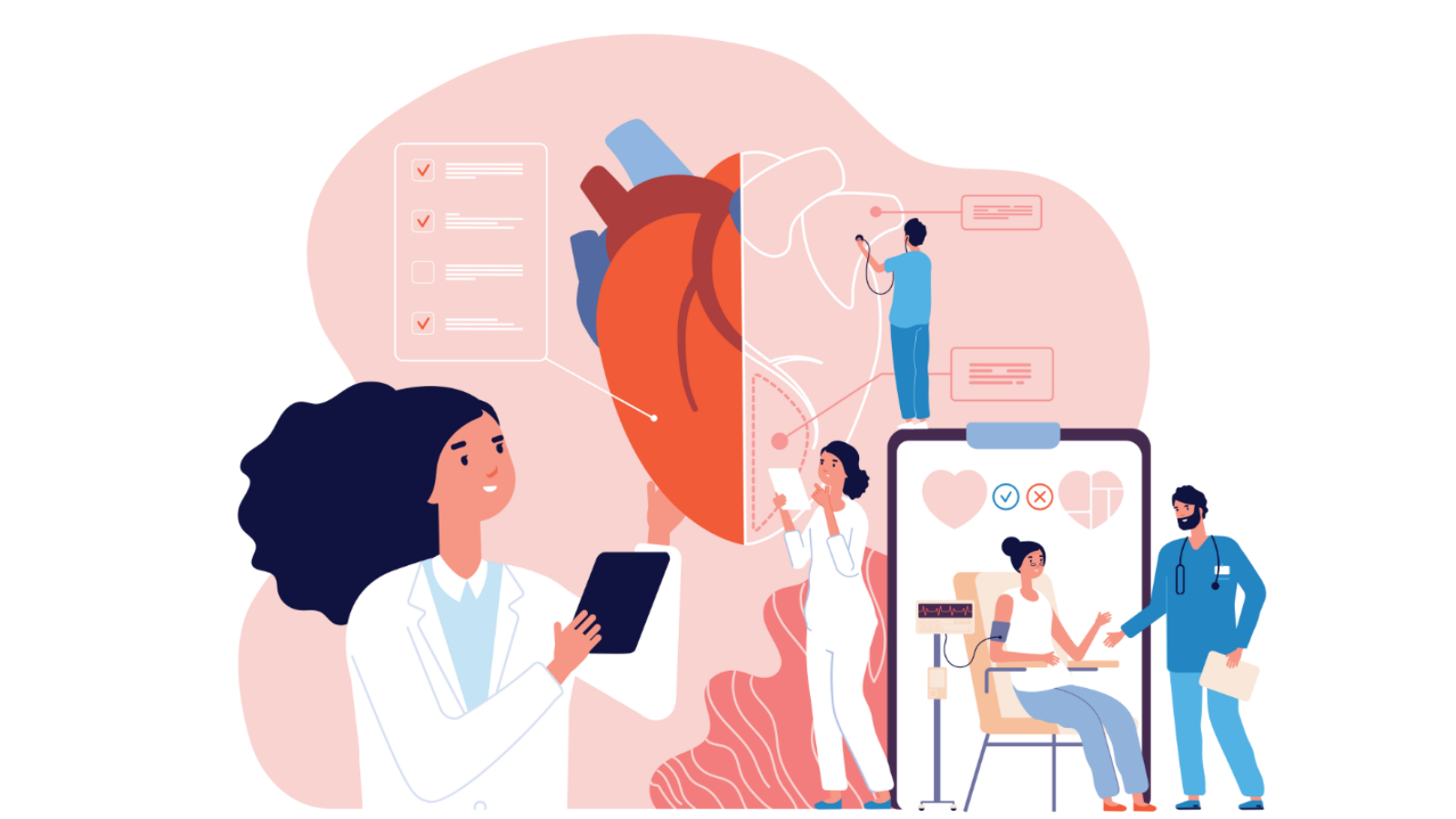
Menopause and Heart Disease: How Women Can Protect Their Heart Health

Heart Disease, Perimenopause, and Menopause: What Women Need to Know

Heart disease is not just a “man’s problem” — it is the leading cause of death for women after menopause. The risk of heart attack increases nearly fivefold post-menopause, primarily due to the natural decline in estrogen levels. Understanding the connection between menopause and heart health is crucial for women to protect themselves.

Estrogen’s Role in Women’s Heart Health

Estrogen plays a vital role in maintaining cardiovascular health. It helps:

1. Keep blood vessels flexible
2. Regulate cholesterol levels
3. Reduce inflammation in arteries

As estrogen levels decline during perimenopause and menopause, the body becomes more susceptible to:

1. High blood pressure
2. Heart disease
3. Stroke
4. Irregular heartbeats and palpitations, often triggered by hot flashes or hormonal changes.

Hormone Replacement Therapy (HRT) and Heart Disease

There’s a common myth that women with heart conditions cannot use Hormone Replacement Therapy (HRT). However, evidence shows that certain forms of HRT can be safe and beneficial:

1. Transdermal estrogen (patches, gels, sprays) typically does not increase the risk of blood clots or stroke.
2. Micronized progesterone is also considered heart-safe.
3. Synthetic estrogen tablets, on the other hand, may slightly raise the risk of clots in women over 60 or those who are overweight. 

It’s essential to consult with a healthcare provider before starting HRT to assess individual risks and benefits.

How to Support Heart Health During Menopause

Proactively protecting your heart during perimenopause and menopause is crucial. Follow these heart-healthy practices:

1. Exercise regularly (at least 30 minutes most days)
2. Eat a balanced diet rich in vegetables, fruits, lean proteins, and whole grains
3. Manage stress through mindfulness, yoga, or meditation
4. Maintain a healthy weight
5. Quit smoking
6.
Monitor and manage blood pressure and cholesterol levels

Women who experience early menopause or surgical menopause are at higher risk and should consult their doctor about preventive heart health strategies, which may include HRT.

Empowering Women’s Heart Health

Managing heart health through perimenopause and menopause is achievable with the right knowledge, lifestyle changes, and professional support. Stay informed, make heart-healthy decisions, and consult your healthcare provider to design a personalized plan for cardiovascular health during menopause.

pms_or_peri_October_1120x_crop_center

Genitourinary Syndrome of Menopause (GSM): A Guide for Women

Genitourinary Syndrome of Menopause (GSM): A Common Yet Overlooked Condition

Genitourinary Syndrome of Menopause (GSM) is a prevalent but often underdiagnosed condition affecting up to 84% of postmenopausal women. Characterized by vulvovaginal and urinary symptoms due to declining estrogen levels, GSM can significantly impact sexual health, self-esteem, and overall well-being. Unlike other menopause symptoms, GSM does not resolve on its own and tends to worsen without treatment.

Symptoms and Impact

GSM presents with vaginal dryness, irritation, burning, painful intercourse (dyspareunia), post-coital bleeding, reduced arousal, urinary urgency, frequent urinary tract infections (UTIs), and tissue fragility. Women using progestogen-only contraception, breastfeeding mothers, and those undergoing cancer treatments may also experience GSM symptoms. However, many women do not seek help due to embarrassment, and healthcare providers rarely initiate discussions about GSM.

Diagnosis and Screening

Routine screening for genitourinary symptoms should be part of perimenopausal and postmenopausal care. Women experiencing recurrent urinary infections, discomfort during sex, exercise, or daily activities should be evaluated for GSM. Additionally, conditions such as diabetes, multiple sclerosis, and certain medications can aggravate GSM symptoms.

Examination and Treatment Options

Although a pelvic examination is ideal, treatment should not be delayed if GSM symptoms are present. Effective treatment options include:

  1. Local estrogen therapy to restore vaginal health
  2. Vaginal moisturizers and lubricants for hydration and comfort
  3. Pelvic floor therapy to improve symptoms of urinary urgency and discomfort

Healthcare providers should proactively discuss GSM during menopause consultations and cervical screenings, ensuring early diagnosis and intervention.

GSM is a progressive but treatable condition. Raising awareness, encouraging open conversations about menopause and vaginal health, and offering personalized treatment can significantly improve a woman’s quality of life. Proactive management of GSM is essential to prevent unnecessary discomfort and long-term complications.

September2021_HHL_ALA_Featured Image_900x300_2

Adrenal Fatigue: Separating Myth from Reality

Understanding Adrenal Fatigue: Symptoms, Causes, and Management Strategies

Adrenal fatigue is a term often used to describe a combination of symptoms, including chronic fatigue, sleep disturbances, and brain fog, which are believed to result from overworked adrenal glands due to prolonged stress. Although the condition is not medically recognized and lacks scientific backing, many people experience these symptoms and seek ways to address them.

Common Symptoms Reported by Women

Women with adrenal fatigue often report a variety of symptoms, including:

1. Persistent fatigue and low energy
2. Morning exhaustion, even after a full night’s sleep
3. Cravings for salty or sugary snacks
4. Difficulty concentrating, often referred to as “brain fog”
5. Feelings of being overwhelmed or anxious
6. Low libido and slower recovery from illness

Potential Causes and Contributing Factors

Several factors may contribute to the symptoms associated with adrenal fatigue:

1. Chronic Stress: Ongoing emotional or physical stress can put a significant strain on the body, leading to hormonal imbalances and exhaustion.
2. Poor Lifestyle Habits: Irregular eating patterns, overuse of caffeine, inadequate sleep, and lack of physical activity can all contribute to the symptoms.
3. Hormonal Imbalances: Conditions like thyroid dysfunction, perimenopause, or menstrual issues can exacerbate feelings of fatigue and brain fog.
4.Underlying Conditions: Conditions like hypothyroidism, depression, or chronic fatigue syndrome may also contribute to symptoms that are often mistaken for adrenal fatigue.

Medical Perspective

Most medical professionals do not recognize adrenal fatigue as a formal diagnosis. Instead, they typically attribute the symptoms to other underlying conditions. To rule out other potential causes, it’s recommended to undergo a thorough evaluation, including tests for thyroid function and cortisol levels. This can help ensure that any other conditions are properly addressed.

Managing Symptoms of Adrenal Fatigue

While adrenal fatigue may not be a formal diagnosis, there are strategies to help manage its symptoms and improve overall well-being:

Lifestyle Adjustments

1. Stress Management: Engage in practices like yoga, meditation, or deep breathing exercises to reduce stress and promote relaxation.
2. Sleep: Aim for 7–9 hours of quality sleep each night. Establish a consistent sleep schedule to support your body’s natural rhythms.
3. Balanced Diet: Consume a diet rich in whole foods, lean proteins, healthy fats, and plenty of vegetables. Avoid excess sugar and caffeine, as these can exacerbate symptoms.
4. Exercise: Regular moderate exercise such as walking, swimming, or cycling can help improve energy levels and reduce stress.

Consider Adaptogens

Adaptogenic herbs like ashwagandha and rhodiola may help the body cope with stress. However, it’s important to consult with a healthcare provider before introducing new supplements or herbs into your routine.

Seek Professional Guidance

It’s important to rule out other conditions through proper medical testing. Consider working with a holistic or functional medicine practitioner who can offer personalized treatment strategies, including dietary changes, lifestyle adjustments, and stress management techniques.

While adrenal fatigue is not a medically recognized condition, the symptoms many people experience are real. A holistic approach that focuses on managing stress, improving sleep, adopting a balanced diet, and seeking professional guidance can greatly improve overall well-being and quality of life.

Contentful-4

How long does perimenopause last?

How long does perimenopause last?

Well, there’s no one-size-fits-all answer, but here’s a quick breakdown of its stages:

1. Very Early Perimenopause:

Subtle signs like irregular periods and mild mood changes begin.

2. Early Menopause Transition:

Periods become noticeably irregular, and mood swings may intensify.

3. Late Menopause Transition:

Symptoms peak as periods become highly unpredictable.

4. Late Perimenopause:

Symptoms may worsen, but menopause is just around the corner.

Conclusion

On average, perimenopause lasts about 7 years but can range from 2 to 12 years. Most women reach menopause around age 51, so if you’re in your mid-forties, perimenopause may be well underway.

Common Perimen Symptoms

Top 20 Most Common Perimenopause Symptoms: What They Mean and How to Manage Them

Top 20 Most Common Perimenopause Symptoms: What They Mean and How to Manage Them

Perimenopause is a natural transitional phase before menopause, where hormonal shifts cause a variety of symptoms. While each woman’s experience is unique, understanding the common symptoms and how to manage them can help you navigate this life stage with confidence and balance. Here are the top 20 symptoms and tips for managing them:

1. Irregular Periods: What Is Yours Trying to Tell You?

As hormonal changes occur, periods become unpredictable. Track your cycle to understand your hormone balance. Natural supplements like evening primrose oil or guidance from a healthcare provider may offer relief.

2. Hot Flushes

Hot flushes can be uncomfortable, but lifestyle changes such as wearing breathable clothing, managing stress, and avoiding caffeine or alcohol can help. Supplements like black cohosh or red clover may provide support.

3. Night Sweats

Just like hot flushes, night sweats can disrupt your sleep. Keep your bedroom cool, use moisture-wicking bedding, and consider magnesium supplements or herbal remedies like sage tea for relief.

4. Mood Swings

Fluctuating levels of estrogen and progesterone can affect your mood. Incorporate omega-3-rich foods like flaxseeds or fish oil, and try mindfulness or yoga to support emotional balance.

5. Fatigue

To combat fatigue, prioritize restful sleep, eat balanced meals that stabilize blood sugar, and explore adaptogens like ashwagandha to support adrenal health and energy.

6. Sleep Disturbances

Sleep disruptions are common during perimenopause. Enhance your sleep quality with melatonin supplements, magnesium glycinate, and a consistent bedtime routine. Avoid blue light exposure before bed to improve rest.

7. Vaginal Dryness

Vaginal dryness can be addressed with moisturizers or estrogen creams (consult your doctor). Staying hydrated and consuming omega-3-rich foods can also help with lubrication.

8. Decreased Libido

Low libido during perimenopause is common, but hormone-balancing strategies, pelvic floor exercises, and herbs like maca root can support sexual health.

9. Weight Gain or Changes in Body Composition

Hormonal changes can influence metabolism and body composition. Engage in strength training, interval workouts, and consume a protein-rich diet to maintain muscle mass and manage weight.

10. Breast Tenderness

Fluctuating estrogen levels can lead to breast tenderness. Evening primrose oil or vitamin E supplements may provide relief.

11. Headaches or Migraines

To prevent headaches and migraines, maintain stable blood sugar levels and stay hydrated. Magnesium supplements or riboflavin (vitamin B2) may reduce the frequency of migraines.

12. Joint and Muscle Pain

Joint and muscle pain can occur during perimenopause, but anti-inflammatory foods like turmeric and omega-3s can alleviate discomfort. Low-impact exercises can improve flexibility and strength.

13. Changes in Skin (Dryness or Sensitivity)

Hormonal shifts can affect skin health, leading to dryness or increased sensitivity. Collagen supplements and vitamin C can help maintain skin elasticity, while hydrating skincare products with hyaluronic acid can keep skin moisturized.

14. Hair Thinning or Loss

Biotin, iron, and zinc supplements, along with scalp massages, may promote hair growth and reduce thinning during perimenopause.

15. Memory Problems or Difficulty Concentrating

Omega-3s, ginkgo biloba, and brain-stimulating activities such as puzzles or learning new skills can help improve memory and concentration.

16. Increased Anxiety or Irritability

Anxiety and irritability can be managed through calming techniques like deep breathing exercises, as well as magnesium supplements or herbal adaptogens.

17. Urinary Changes

To support urinary health, strengthen your pelvic floor with Kegel exercises, and consider cranberry supplements or D- mannose to help maintain a healthy urinary tract.

18. Digestive Issues

Hormonal changes can influence gut health. Probiotics, fiber-rich foods, and staying hydrated can help regulate digestion and alleviate digestive discomfort.

19. Allergies or Increased Sensitivity to Foods

Perimenopause may trigger food sensitivities or allergies. Identifying and eliminating trigger foods and following an anti-inflammatory diet rich in fruits, vegetables, and whole grains can stabilize symptoms.

20. Changes in Cholesterol Levels

Regular blood tests, a heart-healthy diet rich in fiber, and omega-3s from fish or supplements can help maintain healthy cholesterol levels during perimenopause.

Conclusion

Understanding perimenopause symptoms empowers you to make informed choices for your health and well-being. By combining lifestyle adjustments, proper nutrition, and professional guidance, you can thrive during this transformative phase of life and emerge stronger and more balanced.