
Managing Menopause Through Nutrition
Menopause is a natural phase in a woman’s life marked by the end of menstrual cycles, confirmed 12 months after the last period. However, the transition can bring uncomfortable symptoms that may last for several years. Fluctuating hormone levels can lead to issues like hot flashes, sleep disturbances, weight gain, and decreased bone density. Fortunately, dietary changes can help alleviate these symptoms and promote overall well-being.
Key Changes During Menopause
As estrogen levels decline, women may experience a variety of symptoms, including weight gain due to slower metabolism, increased cholesterol levels, and digestive issues. Additionally, reduced estrogen can lead to decreased bone density, increasing fracture risk
Foods That May Help
- Dairy Products: Foods like milk, yogurt, and cheese are rich in calcium and vitamin D, essential for bone health. Studies show that women consuming more dairy had higher bone density and better sleep due to the presence of tryptophan.
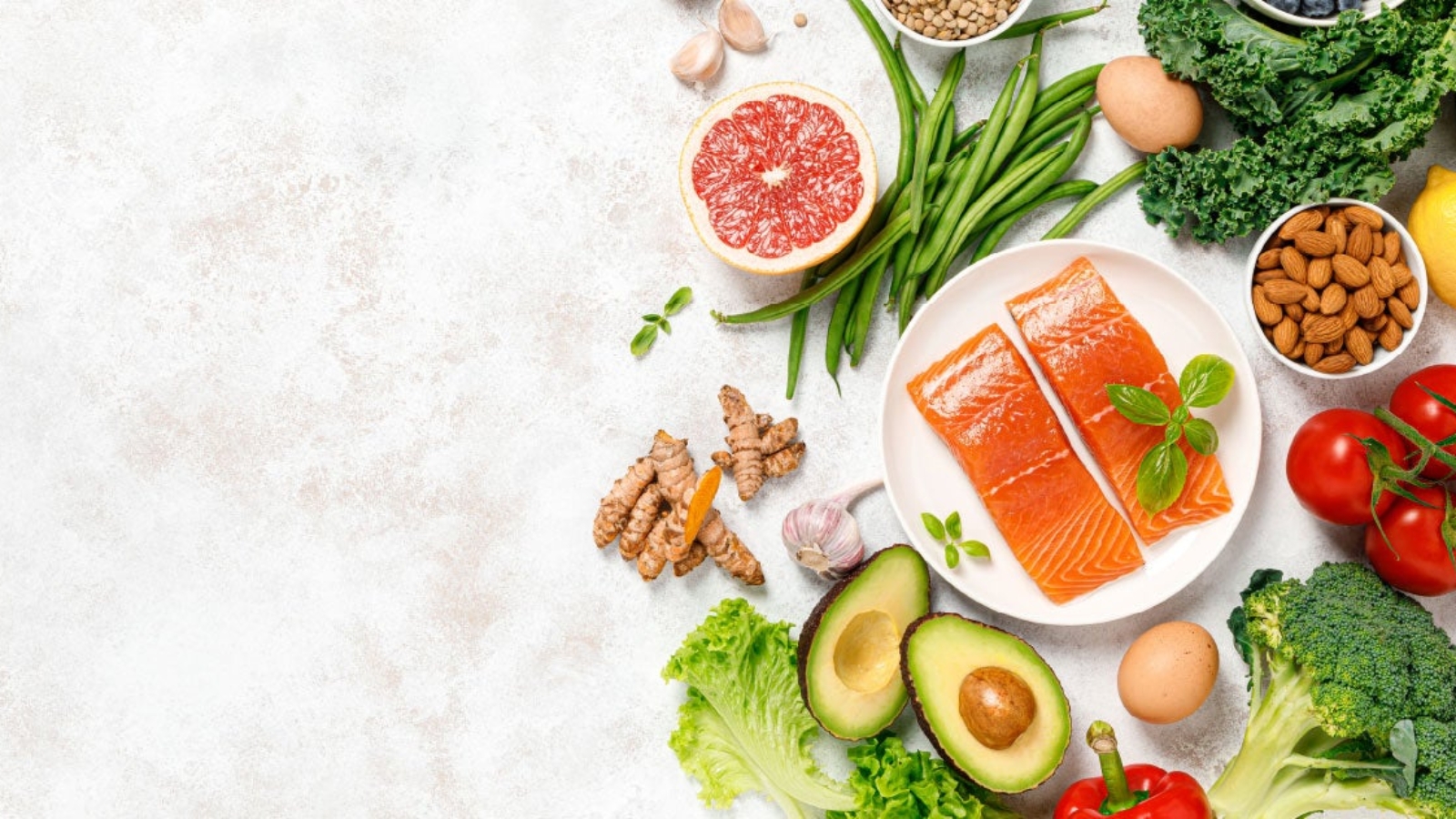
- Healthy Fats: Omega-3 fatty acids, found in fatty fish and seeds, can improve health during menopause. Research indicates that higher omega-3 levels may be linked to better outcomes for women in post menopause.
- Whole Grains: Foods such as brown rice and quinoa are high in fibre and B vitamins. A diet rich in whole grains is associated with a reduced risk of heart disease and milder menopausal symptoms.
- Fruits and Vegetables: Packed with vitamins, minerals, and antioxidants, these foods can lessen menopausal symptoms. Dark berries have shown promising benefits for women in post menopause.
- Phytoestrogen-Rich Foods: Foods like soybeans, chickpeas, and flaxseed contain phytoestrogens, which may help improve bone health and lower cardiovascular risks.
- Quality Protein: Protein is vital for maintaining muscle mass and bone strength. Women should aim for 1–2 grams of protein per kilogram of body weight from sources like meat, fish, legumes, and dairy.
Foods to Avoid
To minimize symptoms like hot flashes, weight gain, and sleep problems, consider limiting:
- Highly Processed Foods: Candy, chips, and fried items can contribute to weight gain.
- Sugary Beverages: Sodas and energy drinks may exacerbate symptoms.
- Alcohol and Caffeine: Both can interfere with sleep and trigger hot flashes.
- High-Salt Foods: Processed items like frozen meats and soups can lead to bloating and discomfort.
Making mindful dietary choices during menopause can significantly impact how you experience this transition. Incorporating a variety of nutrient-rich foods while avoiding those that exacerbate symptoms can lead to better health and well-being during this phase of life.