



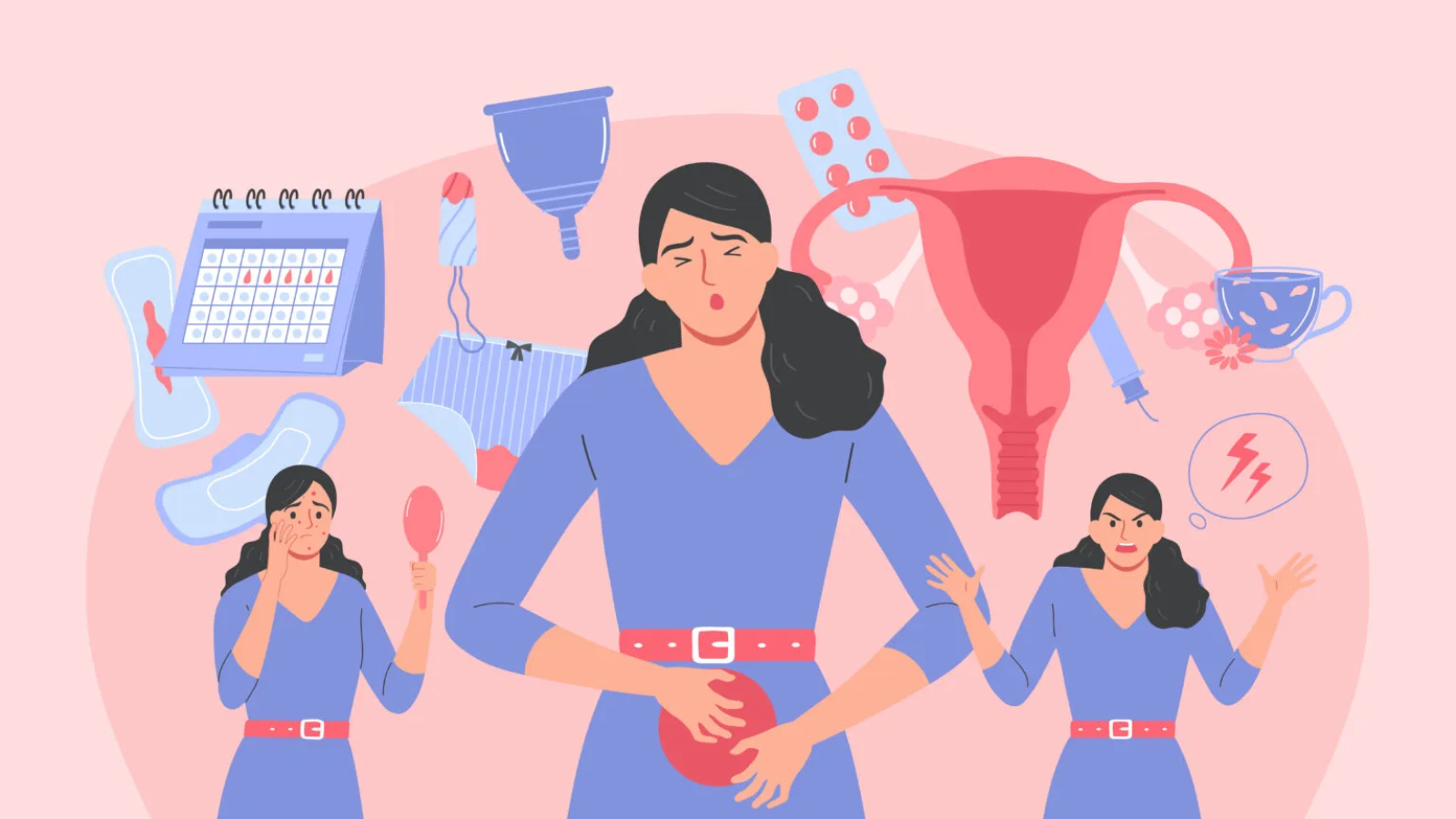
PCOS and Menopause: What to Expect and How to Manage It
At  Dr Priyanka Mehta , we strive to provide medically reviewed and accurate content. However, the information in this blog is for educational purposes only and should not replace professional medical advice, diagnosis, or treatment. Always consult a qualified healthcare provider for personalized guidance.
 Physical activity guidelines for adults aged 19 to 64 (May 2024)
Sleep disturbances in women with polycystic ovary syndrome: prevalence, pathophysiology, impact and management strategies (February 2018)
Sleep and sleep disorders in the menopausal transition (September 2018)
Polycystic ovary syndrome – Treatment (October 2022)
Menopause – Treatment (May 2022)
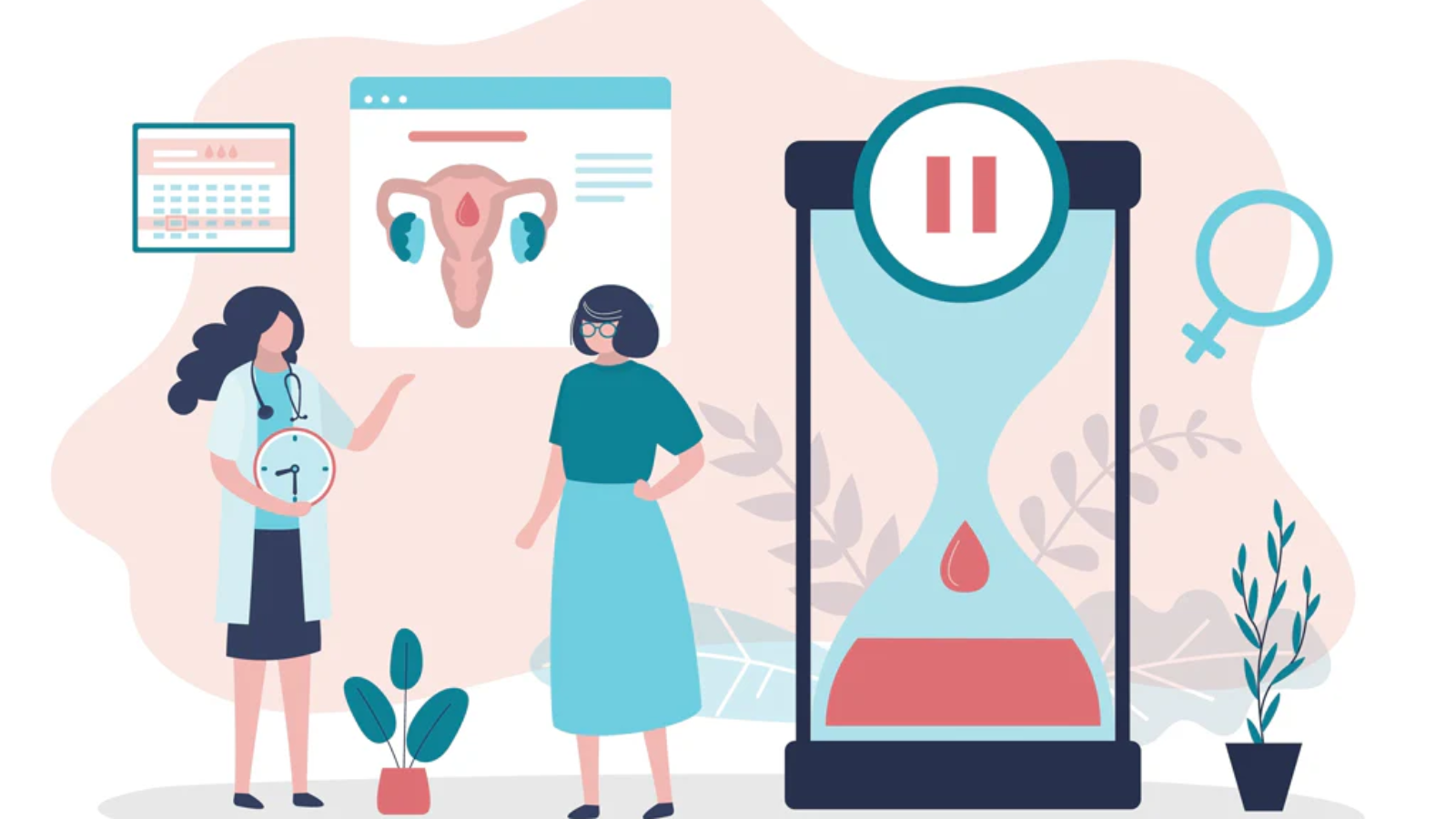
Vaginal Estrogen Therapy: A Gold-Standard Treatment for GSM
- Angelou K, Grigoriadis T, Diakosavvas M, Zacharakis D, Athanasiou S. The Genitourinary Syndrome of Menopause: An Overview of the Recent Data. Cureus. 2020;12(4):e7586. Published 2020 Apr 8. doi:10.7759/cureus.7586
- Bhupathiraju SN, Grodstein F, Stampfer MJ, et al. Vaginal estrogen use and chronic disease risk in the Nurses’ Health Study. Menopause. 2018;26(6):603-610. doi:10.1097/GME.0000000000001284
- AUGS – Vaginal Estrogen Therapy (PDF)
- Chen R, Wang JY, Lv K. Effect of Fractional Carbon Dioxide Laser vs Sham Treatment on Vaginal Symptom Severity in Postmenopausal Women. JAMA. 2022;327(3):283. doi:10.1001/jama.2021.22305
Genitourinary Syndrome of Menopause (Vaginal Health) | Menopause Care