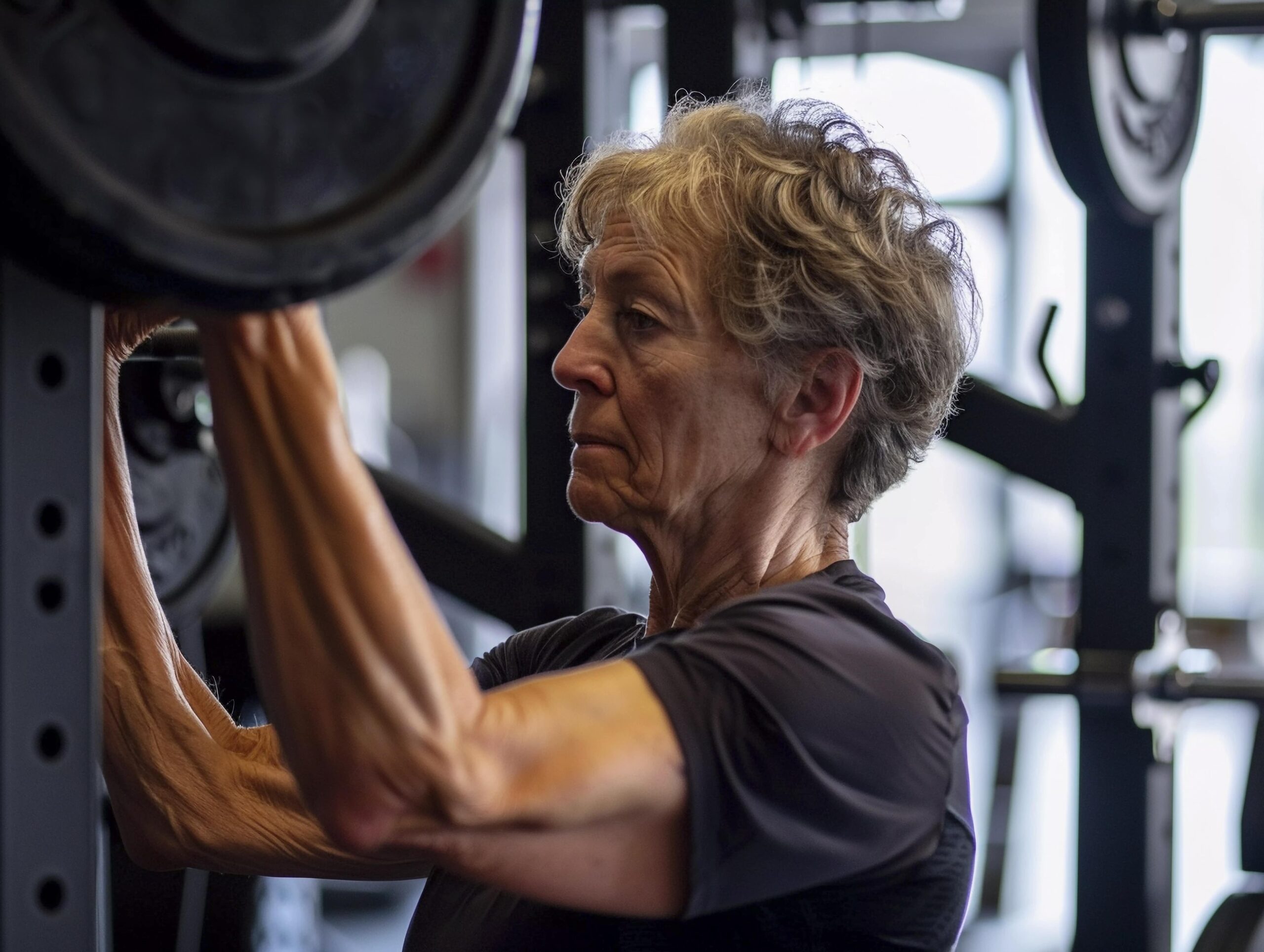
Understanding the 2:16 Estrogen Ratio Urine Test:
What It Reveals and How to Optimize Your Hormonal
Health
The 2:16 Estrogen Ratio Test offers essential insights into how your body metabolizes estrogen, which can significantly impact your health. Here’s a breakdown of why this test is beneficial:
Risk Assessment
This test evaluates the balance between two key estrogen metabolites:
2-hydroxyestrone (2-OH): A protective metabolite that supports healthy estrogen activity. 2. 16-alpha-hydroxyestrone (16-OH): A potentially harmful metabolite linked to increased estrogenic activity, which may contribute to higher risks of estrogen-related conditions.
A higher 2:16 ratio is generally associated with a lower risk of estrogen-related issues like breast cancer and endometrial problems.
Hormonal Balance Insight
This test can help identify estrogen metabolism imbalances that might contribute to symptoms such as weight gain, fatigue, or mood swings. By understanding your estrogen metabolism, you can address the root causes of these symptoms.
Tailored Treatment Planning
The results of the test can guide personalized interventions, including dietary changes, supplements (such as DIM or indole-3-carbinol), or other treatments aimed at optimizing estrogen metabolism for better hormonal balance.
Monitoring Progress
Tracking your 2:16 estrogen ratio over time allows you to measure the effectiveness of interventions and ensure your metabolism is shifting toward a healthier profile.
Treatment Strategies for a Low 2:16 Estrogen Ratio
If your test results indicate a low 2:16 estrogen ratio, it may signal an imbalance in your estrogen metabolism. This imbalance typically involves lower levels of the protective 2-hydroxyestrone (2-OH) metabolite or higher levels of the potentially harmful 16-alpha-hydroxyestrone (16-OH) metabolite. To address this, focus on the following treatment strategies:
1. Dietary Modifications
Cruciferous Vegetables: Incorporate broccoli, cauliflower, kale, and Brussels sprouts into your diet. These vegetables promote natural production of 2-OH. Flaxseeds: Rich in lignans, flaxseeds help modulate estrogen metabolism. Fiber: Include at least 25-30g of fiber daily to help bind and excrete excess estrogens. Antioxidant-Rich Foods: Berries, leafy greens, and nuts are excellent for combating oxidative stress and supporting detoxification.
2. Supplements
DIM (Diindolylmethane):
This compound, derived from cruciferous vegetables, supports a healthier 2:16 ratio by promoting protective estrogen metabolism.
Calcium-D-Glucarate: This supplement aids in detoxification and reduces estrogen reabsorption in the gut. Indole-3-Carbinol (I3C): A precursor to DIM, I3C helps improve the estrogen ratio. Omega-3 Fatty Acids: These essential fats reduce inflammation and support overall hormonal balance. Probiotics: Maintaining a healthy gut microbiome is crucial in preventing the reabsorption of estrogens.
3. Lifestyle Adjustments
Exercise: Regular aerobic and strength training exercises enhance estrogen metabolism and help reduce excess body fat, which can contribute to increased estrogen production. Stress Management: Practices like yoga, meditation, and mindfulness can help reduce cortisol levels, which may indirectly influence estrogen metabolism. Avoid Toxins: Minimize exposure to xenoestrogens (chemical compounds found in plastics, non-organic foods, and certain cosmetics) to avoid disrupting your hormonal balance.
4. Liver Support
The liver plays a crucial role in estrogen detoxification. Supporting liver health can improve estrogen metabolism:
Milk Thistle: This herb supports liver detoxification. N-acetylcysteine (NAC): NAC helps enhance glutathione production, which is essential for detoxifying the liver.
5. Monitor Progress
To ensure your interventions are working effectively, it’s important to regularly retest your 2:16 estrogen ratio. This will allow you to make necessary adjustments to your lifestyle and treatment plan as needed.
Perimenopause FAQs - Understanding the Transition
and How to Manage It
Perimenopause is a natural yet often misunderstood phase in a woman’s life. It marks the transitional period leading up to menopause, where hormonal fluctuations can cause a range of physical and emotional changes. In this blog, we’ll answer frequently asked questions about perimenopause to help you better understand the process, recognize symptoms, and manage them effectively.
What is Perimenopause?
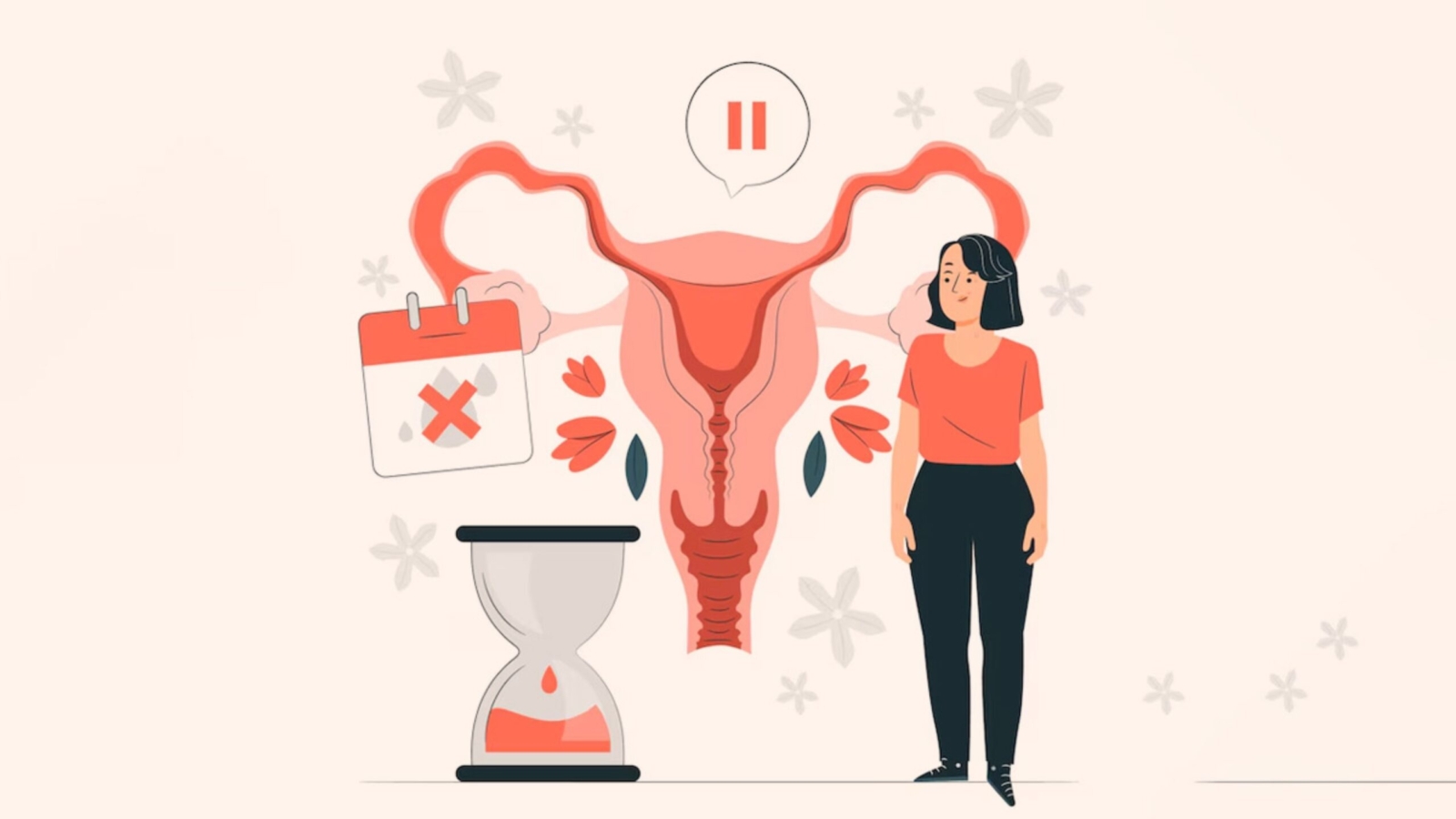
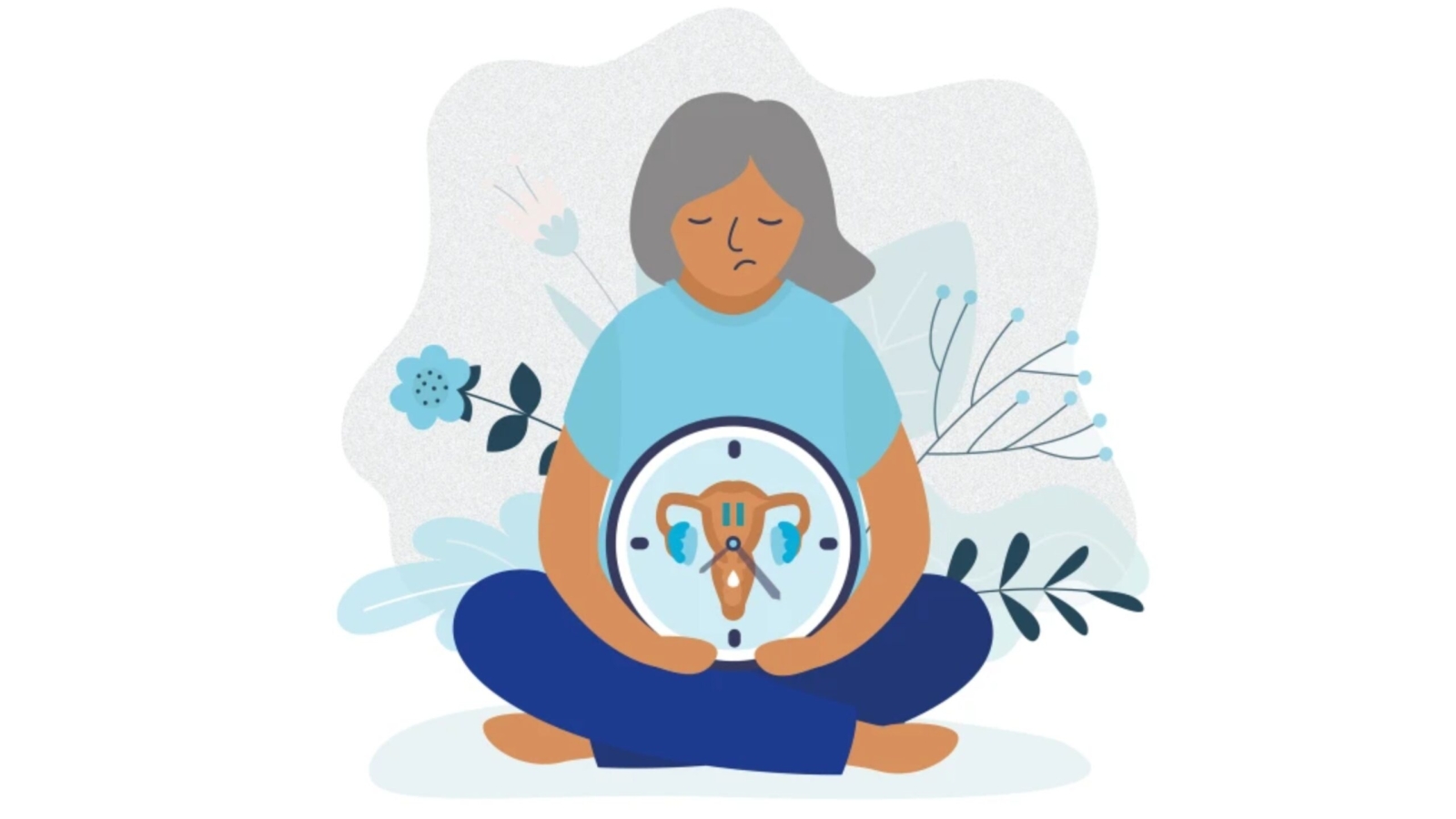
Perimenopause refers to the time before menopause when estrogen and progesterone levels begin to fluctuate. This hormonal shift affects your menstrual cycle and can bring about noticeable symptoms.
When Does Perimenopause Start?
The onset of perimenopause typically occurs in your early to mid-40s. However, it varies depending on factors like genetics, medical history, or certain health conditions. Some women may notice symptoms in their late 30s, while others experience them later.
What Are Common Symptoms of Perimenopause?
Symptoms of perimenopause can range from mild to more severe. They may include:
1. Irregular periods 2. Hot flashes and night sweats 3. Mood swings and fatigue 4. Brain fog and difficulty concentrating 5. Joint pain and muscle aches 6. Vaginal dryness or discomfort during intercourse 7. Urinary issues such as frequent urination
Can Perimenopause Symptoms Be Managed?
Yes, many symptoms of perimenopause can be effectively managed. Here are a few strategies:
1. Lifestyle Changes: Incorporate a balanced diet, regular exercise, and stress-reduction practices like yoga or meditation.
2. Hormone Therapy (HRT): Discuss with your healthcare provider if hormone replacement therapy is right for you.
3. Supplements: Consider supplements like calcium, vitamin D, or herbal remedies (with professional advice).
4. Symptom Tracking: Use apps or journals to monitor your symptoms, patterns, and triggers. This can help tailor your treatment plan.
Is Perimenopause the Same for Everyone?
No. Every woman’s experience with perimenopause is unique. While some may have mild symptoms, others could face more pronounced challenges. Factors such as lifestyle, genetics, and underlying health conditions play a role in how perimenopause manifests.
How Can I Track My Symptoms?
Tracking your symptoms is an essential step to understanding your perimenopause journey. Many apps and journals are designed to help you monitor changes in your cycle, mood, sleep, and physical symptoms. Sharing this information with your doctor can help create a personalized management plan.
Where Can I Find Support?
Support is readily available to help you navigate this phase of life. Here’s where to start:
1. Talk to Your Doctor: A healthcare professional can provide tailored advice, conduct tests, and recommend treatments.
2. Explore Trusted Resources: Look for reputable websites, support groups, and books that focus on perimenopause education.
3. Connect with Others: Online communities or in-person groups can offer valuable tips and emotional support.
Embrace the Transition
Perimenopause is a significant phase in a woman’s life, and while it comes with its challenges, it also offers an opportunity to prioritize your health and well- being. By understanding the process, tracking your symptoms, and seeking professional guidance, you can navigate this transition with confidence and ease.
If you’re experiencing perimenopause or have questions about how to manage your symptoms, reach out to a trusted healthcare provider or explore our resources for more insights. Remember, you’re not alone on this journey!
Understanding ADHD and Its Impact During Menopause
Attention Deficit Hyperactivity Disorder (ADHD) is a neurobiological condition characterized by inattention, impulsivity, and hyperactivity. While commonly associated with childhood, up to 65% of children with ADHD continue to experience symptoms into adulthood. For adults, ADHD can manifest as forgetfulness, poor organizational skills, restlessness, and difficulty handling stress.
ADHD in Women: An Underrecognized Condition
ADHD is often underdiagnosed in women due to differing symptom profiles. Women are more likely to exhibit inattentive symptoms rather than hyperactivity, making it less disruptive and harder to detect. This discrepancy can lead to delayed diagnoses and challenges in managing symptoms.
The Menopause Connection
Menopause can exacerbate ADHD symptoms. Estrogen, a hormone that influences dopamine production and brain function, fluctuates and drops during perimenopause and menopause. This hormonal shift affects dopamine, serotonin, and acetylcholine levels, contributing to brain fog, poor memory, and concentration issues—symptoms that overlap with ADHD.
Managing ADHD and Menopause Together
Managing ADHD during menopause requires a multifaceted approach:
1. Medical Support: Diagnosis and treatment by a specialist, often involving medications and behavioral therapy.
2.Lifestyle Changes: Regular exercise, balanced nutrition, and mindfulness techniques can improve focus and reduce stress.
3.Hormonal Support: Hormone Replacement Therapy (HRT) may help stabilize estrogen levels and alleviate menopausal symptoms.
Next Steps
If you suspect ADHD symptoms are affecting your quality of life, especially during the menopause transition, consult a specialist for a comprehensive evaluation. Personalized treatment can make a significant difference in enhancing well-being and cognitive function.
Understanding Menopause and Its Impact on Your Brain
Menopause, often considered a reproductive health event, also brings significant neurological changes. Modern research highlights how menopause affects the brain and offers actionable insights for navigating this transitional phase effectively.
Stages of Menopause and Brain Impact
Menopause occurs in three stages:
1.Perimenopause: Years leading to the final menstrual period.
2.Menopause: Confirmed after 12 months without a period.
3.Postmenopause: The years following menopause.
During this time, declining estrogen and progesterone levels impact the brain, leading to symptoms like hot flashes, forgetfulness, mood swings, and insomnia. These changes reflect the brain recalibrating itself as reproductive functions cease.
Dr. Lisa Mosconi from the Weill Cornell Women’s Brain Initiative notes that this adaptation may cause discomfort but also stabilize mood over time.
Memory and Cognitive Changes
Symptoms such as brain fog and reduced verbal memory are common.
While studies suggest a connection between menopause and Alzheimer’s biomarkers, menopause itself does not cause dementia. Monitoring brain health during this phase is crucial.
Strategies to Support Brain Health
1. Lifestyle Changes
Diet: Include leafy greens, fatty fish, and nuts.
Exercise: Boosts brain blood flow and overall wellness.
Social Connections: Foster emotional and mental health.
Stress Management: Practices like yoga and mindfulness mitigate stress.
2. Medical Interventions
Hormone Therapy: Effective for symptoms like hot flashes but requires medical consultation.
CBT and SSRIs: Help alleviate mood and cognitive challenges.
3. Prioritize Sleep
Addressing hot flashes and improving sleep quality enhances cognitive function.
Empowering Women Through Awareness
Understanding menopause helps women navigate its challenges confidently. By adopting healthy habits and seeking medical advice, women can embrace this life stage as an opportunity to prioritize brain health and overall well-being.
References:
Dr. Lisa Mosconi, Weill Cornell Women’s Brain Initiative
Already on HRT but Missing Something? Testosterone
Might Be the Key
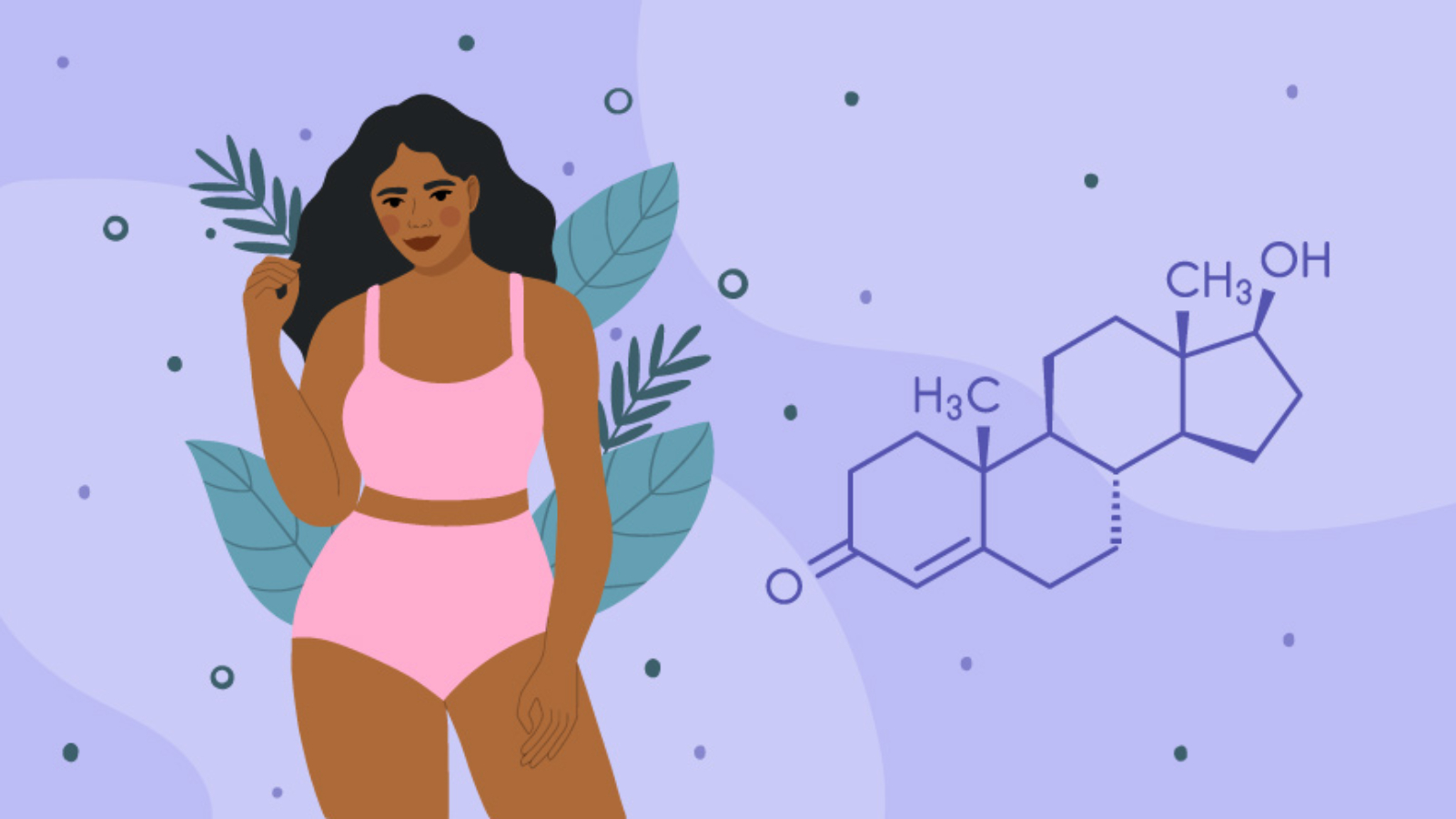
For many women, hormone replacement therapy (HRT) helps alleviate the symptoms of menopause. But if you’re still experiencing fatigue, brain fog, or a dip in libido, testosterone supplementation could be the missing piece of the puzzle.
Why Women Need Testosterone Too
Testosterone isn’t just for men. It’s a vital hormone for women, influencing much more than just sexual health. It plays a critical role in:
1.Boosting muscle and bone strength 2.Improving mental sharpness and focus 3.Regulating mood and enhancing energy levels
During menopause, testosterone levels drop significantly, leading to symptoms like:
1.Loss of sexual desire and enjoyment 2.Low mood, anxiety, and irritability 3.Physical fatigue and brain fog 4.Joint pain and urinary issues
If these symptoms sound familiar, testosterone replacement therapy might be what your body needs to feel balanced again.
The Life-Changing Benefits of Testosterone
According to the NICE menopause guidelines, testosterone is recommended for women experiencing low libido when HRT alone isn’t enough. But its benefits go beyond improved sex drive. Women have reported positive changes such as:
1.Enhanced mood and reduced anxiety 2.Better concentration and mental clarity 3.Increased stamina and energy for daily activities 4.Improved physical performance and exercise tolerance
Testosterone can help you feel like yourself again.
Is a Blood Test Necessary?
We recommend a blood test before your first appointment to check your testosterone levels and rule out other potential causes of symptoms.
Common Questions About Testosterone Therapy
Is Testosterone a “Female” Hormone?
Yes, it is! Women naturally produce testosterone, which is essential for physical, mental, and sexual health.
What Are the Symptoms of Low Testosterone?
Signs of low testosterone include:
1.Decreased libido 2.Fatigue and mood swings 3.Muscle weakness and memory issues 4.Difficulty sleeping
Can Low Testosterone Cause Anxiety?
Absolutely. Low testosterone can disrupt your emotional balance, leading to increased feelings of anxiety or irritability.
What Do Patients Say?
“I had been on HRT for a while but still felt like something was missing.”
“Adding testosterone to my HRT routine changed everything—more energy, more focus, and I feel like myself again.”
Reference:
This blog is inspired by content from Newson Health, dedicated to helping women embrace a healthier and happier menopause.
Heart Health and Menopause: What Every Woman Should Know
Have you ever considered the link between menopause and heart health? Many women are surprised to learn that their risk of heart disease increases significantly after menopause. Understanding why this happens and how to protect your heart can make all the difference.
What Is Heart Disease?
Heart disease encompasses a range of conditions that affect the heart and circulation, including:
Coronary Heart Disease: Narrowing or blockage of the coronary arteries.
Atrial Fibrillation: Irregular heart rhythm.
Heart Attack and Stroke: Events caused by blocked blood flow.
Congenital Heart Disease: Structural issues with the heart present from birth.
While heart disease is often associated with men, it is the leading cause of death for postmenopausal women. Alarmingly, the risk of a heart attack is five times higher after menopause than before.
The Role of Estrogen in Heart Health
Before menopause, estrogen provides significant protection for the cardiovascular system. It helps:
2.Lower ‘Bad’ Cholesterol: Reducing the fat buildup that can clog arteries.
3.Reduce Inflammation: Protecting the blood vessel linings.
4.Boost Nitrous Oxide Levels: Relaxing and widening blood vessels.
5.Support Heart Rhythm: Stabilizing the heart’s electrical system.
As estrogen levels decline during perimenopause and menopause, these protective effects weaken. Women may experience palpitations, irregular heartbeats, or a racing heart, which can feel alarming but are often hormone- related.
Can HRT Help Protect Your Heart?
Hormone Replacement Therapy (HRT) can play a significant role in heart health when used appropriately:
Estrogen via Skin (Patch, Gel, Spray): Does not increase the risk of clots or strokes.
Micronised Progesterone (Utrogestan): A safer option for those needing progesterone.
Synthetic Estrogen in Tablets: Slightly increases the risk of clots and stroke, particularly in women over 60, those who are overweight, or those who don’t exercise regularly.
Starting HRT during perimenopause or within 10 years of menopause may lower the risk of developing heart disease. Women experiencing early or surgical menopause (before age 40) are at an even higher risk of cardiovascular disease and should discuss treatment options with a specialist.
Supporting Heart Health Beyond Hormones
While HRT can help, lifestyle plays a crucial role in heart health. Here are practical steps to reduce your risk of heart disease:
1.Monitor Your Blood Pressure: Regular checks and medications if needed.
2.Keep an Eye on Cholesterol: Diet and medications can help manage levels.
3.Exercise Regularly: Aim for at least 150 minutes of moderate activity weekly.
4.Eat a Heart-Healthy Diet: Focus on plant-based foods, limit saturated fats and salt, and avoid processed foods.
5.Quit Smoking: A major risk factor for heart disease.
6.Limit Alcohol: Moderation is key for heart health.
7.Maintain a Healthy Weight: Excess weight strains the heart.
8.Manage Stress: Incorporate relaxation techniques into your routine.
Personalized Care for Your Heart
Navigating heart health during menopause can feel overwhelming. It’s important to have guidance tailored to your unique situation. Booking a complimentary clarity call with a professional like Dr. Priyanka Mehta can help you address your concerns and explore solutions. Your heart health matters. Take the first step toward protecting it today.
Are You Wondering If You’re Perimenopausal? Here’s What You Need to Know
Have you noticed irregular periods, mood swings, or sudden hot flashes? These could be signs of perimenopause—the natural transition your body undergoes before menopause. Let’s unravel what perimenopause is, its symptoms, and how to manage it effectively.
What Is Perimenopause?
Perimenopause, often called the “menopausal transition,” is the phase leading up to menopause. During this time, your body begins to experience hormonal fluctuations, particularly in oestrogen and progesterone levels. While your periods haven’t stopped completely, you may notice they become irregular in flow and timing. Menopause itself is confirmed when you’ve gone 12 months without a period.
When Does Perimenopause Start?
For most women, perimenopause begins in their early to mid-40s, but the timeline can vary. Factors like genetics, lifestyle choices, or medical treatments such as surgery can cause it to start earlier or later.
How Can You Tell You’re in Perimenopause?
Symptoms of perimenopause can be subtle at first but may intensify over time.
Some of the most common signs include:
1.Irregular Periods: Your cycles may be shorter, longer, heavier, or lighter than usual.
2.Mood Swings: Increased irritability, anxiety, or bouts of sadness are common.
3.Hot Flashes and Night Sweats: Sudden waves of heat, often followed by sweating, can disrupt daily life and sleep.
4.Fatigue and Sleep Issues: You may feel tired despite adequate rest or find it hard to stay asleep.
5.Memory and Concentration Problems: Difficulty focusing or experiencing “brain fog.”
6.Vaginal Dryness and Discomfort: Reduced oestrogen levels can cause dryness and discomfort during intimacy.
7.Urinary Issues: You may experience frequent urination, urgency, or recurring UTIs.
8.Physical Discomfort: Joint pain, muscle aches, and headaches may become more frequent.
How to Manage Perimenopause
Navigating perimenopause is easier when you’re equipped with the right tools and strategies. Here’s how you can manage the changes:
1.Track Your Symptoms: Keeping a log of changes in your periods, moods, and energy levels can help you and your doctor identify patterns.
2.Adopt a Healthy Lifestyle:
Eat a balanced diet rich in nutrients to support hormonal health.
Exercise regularly to maintain physical strength and mental clarity.
Practice mindfulness techniques like yoga or meditation to manage stress.
3.Seek Professional Help: Consult a healthcare expert like Dr. Priyanka Mehta to explore tailored treatment options, including hormone therapy, supplements, or alternative remedies.
4.Focus on Sleep: Prioritize good sleep hygiene by maintaining a consistent bedtime and creating a relaxing nighttime routine.
5.Stay Connected: Join support groups or engage in conversations with women going through similar experiences for advice and encouragement.
Embrace the Change with Confidence
Perimenopause is a natural part of a woman’s life, signaling a new chapter of growth and self-care. While it may come with challenges, understanding your symptoms and taking proactive steps can make the journey smoother.
If you’re looking for personalized advice on managing perimenopause, schedule a complimentory clarity call with me. Together, we can explore the best solutions to help you feel your best during this transition.
Have you been noticing shifts in your body or mood that feel unfamiliar? Maybe your periods have become irregular, or you’re experiencing new symptoms like hot flushes or sleep difficulties. These changes could signal that you’re approaching or experiencing menopause. Let’s explore what this transition means and how it affects your body.
What Is Menopause?
Menopause is a natural phase in a woman’s life, marking the end of her reproductive years. It happens when the ovaries stop releasing eggs, and levels of hormones like oestrogen, progesterone, and testosterone drop. By definition, menopause occurs when you haven’t had a menstrual period for 12 consecutive months.
But menopause isn’t an event that happens overnight. For most women, it’s a gradual transition. The time leading up to menopause, called perimenopause, is when hormone levels begin to fluctuate, and symptoms often start to appear.
When Does Menopause Happen?
The average age for menopause is around 51, but the experience is unique for everyone. Some women may enter menopause earlier due to genetics, medical treatments, or other health conditions.
Early Menopause: Before the age of 45.
Premature Menopause (or Premature Ovarian Insufficiency): Before the age of 40.
If menopause begins earlier than expected, it’s always a good idea to speak with a healthcare professional to understand the underlying causes and the best ways to manage it.
What Are the Symptoms of Menopause?
The experience of menopause varies widely. Some women may glide through with minimal changes, while others find the symptoms more challenging.
Common signs include:
Mood Changes: Feelings of anxiety, irritability, or sadness.
Hot Flushes and Night Sweats: Sudden waves of heat or sweating that can disrupt daily life or sleep.
Sleep Problems: Difficulty falling or staying asleep.
Memory and Focus Issues: Often referred to as “brain fog,” making it harder to concentrate.
Physical Discomfort: Muscle aches, joint pain, and frequent headaches.
Vaginal Dryness: Which can make intimacy uncomfortable.
Urinary Changes: Including urgency, frequency, or increased susceptibility to urinary tract infections.
Reduced Libido: A decrease in sexual desire, which is entirely normal.
These symptoms are linked to fluctuating hormone levels, but the intensity and combination vary from one person to another.
Navigating Menopause
Understanding what’s happening in your body is the first step to navigating menopause with confidence. Here are a few strategies to help:
Pay Attention to Changes: Keep track of your symptoms, even small ones. A record can be useful during medical consultations.
Prioritize Wellness: A balanced diet, regular physical activity, and good sleep hygiene can make a big difference in how you feel.
Seek Support: Whether it’s speaking with a healthcare professional, joining a support group, or confiding in a friend, you don’t have to go through menopause alone.
Consider Treatment Options: From lifestyle adjustments to medical interventions like hormone therapy, there are effective ways to manage symptoms.
Every Journey Is Unique
Menopause is a natural phase of life, not a problem to be fixed. While it can bring challenges, it’s also an opportunity to focus on your health and well-being in a new way.
If you’re unsure where to start, consider booking a complimentary clarity call to discuss your symptoms and concerns. It’s a simple first step toward feeling your best during this transition and beyond.
Understanding Menopause: A New Chapter in Women’s Lives
Menopause is often misunderstood as simply the end of menstruation, but its impact goes far beyond that. With the decline of estrogen, specifically estradiol (E2), women experience a range of physiological and psychological changes that can be managed through effective menopause lifestyle changes. However, rather than viewing menopause as an ending, it’s time we embrace the concept of Menostart—a second adulthood that offers new opportunities for growth, vitality, and self-care.
Beyond the End of Periods: The Role of Estrogen
Estrogen is a key hormone that plays an essential role in regulating many of the body’s systems. When levels of estradiol begin to drop during perimenopause (the transition leading up to menopause), it can lead to symptoms such as:
Hot flashes
Mood swings
Sleep disturbances
Memory lapses
These changes can feel overwhelming and confusing, even to many healthcare providers. As Dr. Lisa Mosconi, Ph.D., a neuroscientist and author of The Menopause Brain, points out, menopause remains a “black box” for many in the medical field. But with the right knowledge, women can navigate this challenging phase with confidence and grace.
The New Beginning: Embracing Menostart
Menopause doesn’t have to be viewed as a loss; it can be a Menostart—a second adulthood that allows women to redefine their goals, health priorities, and life direction. This period can be a powerful time to focus on long-term well-being, leveraging knowledge and lifestyle changes to foster a renewed sense of purpose and energy.
Key Lifestyle Changes for a Smooth Transition
1. Adopt a High Protein, High Fiber Diet
A balanced, nutrient-rich diet is one of the key menopause lifestyle changes that supports overall health during this phase.. Protein is crucial for maintaining muscle mass, especially as hormonal changes can lead to a decrease in lean body mass. High fiber foods help regulate digestion and promote heart health, which is important as the risk for cardiovascular diseases increases after menopause.
Include lean proteins such as fish, chicken, and plant-based sources like legumes and tofu.
Boost your intake of fiber with whole grains, vegetables, and fruits, aiming for a variety of colorful options.
2. Incorporate Weight Training into Your Routine
Exercise is vital at any age, but during menopause, weight-bearing exercises become especially important. Weight training helps in maintaining bone density, which tends to decrease with age and the loss of estrogen. Strong muscles also aid in reducing the risk of falls and fractures, supporting overall mobility and independence.
Start with light weights and gradually increase the intensity.
Aim for at least two to three sessions per week, focusing on major muscle groups
3. Explore Bioidentical Hormone Therapy (BHT)
For women struggling with severe menopausal symptoms, bioidentical hormone therapy (BHT) can offer relief. BHT involves hormones that are chemically identical to those produced by the body, and can be customized to meet an individual’s specific needs. While not for everyone, BHT can be a valuable tool for managing symptoms when lifestyle changes alone are not enough.
It is important to consult a healthcare provider to determine if hormone therapy is suitable for you.
Menopause as a Gateway to New Possibilities
While menopause brings undeniable challenges, it also offers women the opportunity to prioritize their health and redefine what aging means to them. The hormonal shifts of this phase are not just a biological inevitability; they signal a new beginning—a chance to embrace Menostart with open arms and renewed purpose.
Menopause is not just about what is lost but also about what can be gained. With mindful menopause lifestyle changes like diet, exercise, and exploring treatments such as bioidentical hormone therapy, women can navigate this journey with strength and resilience.
As Dr. Mosconi notes, understanding the complexities of menopause is crucial to unlocking its potential as a transformative stage in life. This is a time to reclaim control, nurture the body and mind, and fully embrace the richness of this second adulthood.
Menopause is a natural phase in a woman’s life marked by the end of menstrual cycles, confirmed 12 months after the last period. However, the transition can bring uncomfortable symptoms that may last for several years. Fluctuating hormone levels can lead to issues like hot flashes, sleep disturbances, weight gain, and decreased bone density. Fortunately, dietary changes can help alleviate these symptoms and promote overall well-being.
Key Changes During Menopause
As estrogen levels decline, women may experience a variety of symptoms, including weight gain due to slower metabolism, increased cholesterol levels, and digestive issues. Additionally, reduced estrogen can lead to decreased bone density, increasing fracture risk
Foods That May Help
Dairy Products: Foods like milk, yogurt, and cheese are rich in calcium and vitamin D, essential for bone health. Studies show that women consuming more dairy had higher bone density and better sleep due to the presence of tryptophan.
Healthy Fats: Omega-3 fatty acids, found in fatty fish and seeds, can improve health during menopause. Research indicates that higher omega-3 levels may be linked to better outcomes for women in post menopause.
Whole Grains: Foods such as brown rice and quinoa are high in fibre and B vitamins. A diet rich in whole grains is associated with a reduced risk of heart disease and milder menopausal symptoms.
Fruits and Vegetables: Packed with vitamins, minerals, and antioxidants, these foods can lessen menopausal symptoms. Dark berries have shown promising benefits for women in post menopause.
Phytoestrogen-Rich Foods: Foods like soybeans, chickpeas, and flaxseed contain phytoestrogens, which may help improve bone health and lower cardiovascular risks.
Quality Protein: Protein is vital for maintaining muscle mass and bone strength. Women should aim for 1–2 grams of protein per kilogram of body weight from sources like meat, fish, legumes, and dairy.
Foods to Avoid
To minimize symptoms like hot flashes, weight gain, and sleep problems, consider limiting:
Highly Processed Foods: Candy, chips, and fried items can contribute to weight gain.
Sugary Beverages: Sodas and energy drinks may exacerbate symptoms.
Alcohol and Caffeine: Both can interfere with sleep and trigger hot flashes.
High-Salt Foods: Processed items like frozen meats and soups can lead to bloating and discomfort.
Making mindful dietary choices during menopause can significantly impact how you experience this transition. Incorporating a variety of nutrient-rich foods while avoiding those that exacerbate symptoms can lead to better health and well-being during this phase of life.