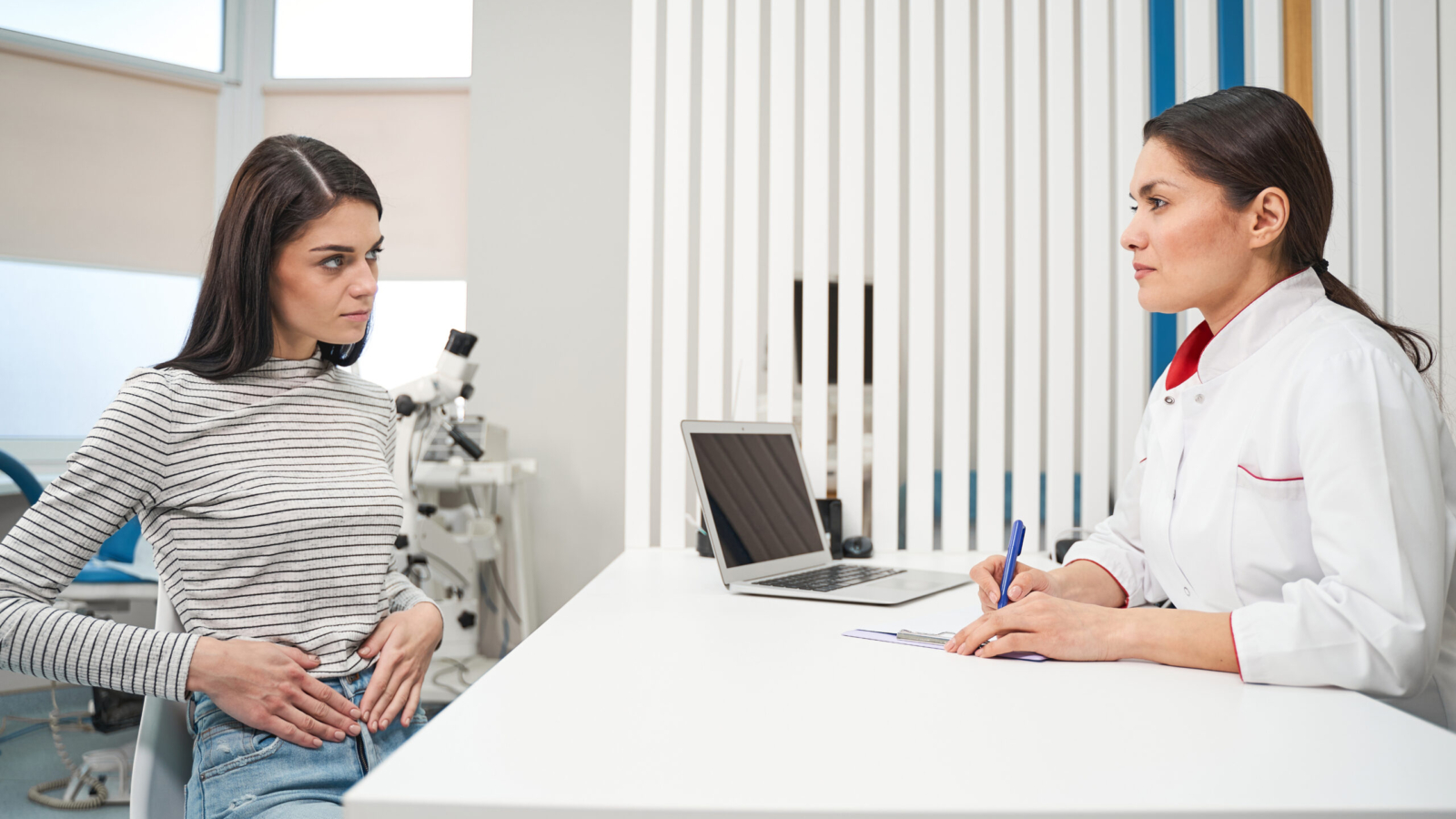

Tips for Managing Driving Anxiety - Dr. Priyanka Mehta

Tips for Managing Driving Anxiety

Tips for Managing Driving Anxiety

Have you found yourself feeling anxious about driving, even though it’s something you’ve been doing for years? You’re not alone.

Many women experience increased driving anxiety during perimenopause and menopause, as hormonal fluctuations can affect key brain functions like focus, coordination, and decision-making.

Perimenopause and menopause can bring about anxiety, brain fog, mood swings, and even panic attacks. For some women, these symptoms emerge while driving, leading to heart palpitations, sweating, and intense feelings of panic. 

Simple tasks that once felt automatic, like shifting gears or following a familiar route, can suddenly feel challenging. 

The decline in hormones, especially estrogen, progesterone, and testosterone, affects the brain’s ability to multitask and focus, making driving feel more stressful and overwhelming than before

Midlife changes, like adjusting to new driving conditions, relationship shifts, or career transitions, can also add to driving anxiety. Lack of sleep, which is common during menopause, can make the problem worse.

Tips for Managing Driving Anxiety

There are a few ways to ease driving anxiety during menopause. 

     1. Hormone replacement therapy (HRT), including testosterone, can help balance hormones and reduce symptoms. 

     2. Relaxation methods like deep breathing and mindfulness, or therapies such as cognitive behavioral therapy (CBT), can also help.

     3. Start by taking short, familiar drives and gradually build up to longer trips to boost your confidence.

These steps can help reduce anxiety and make you feel more in control when driving.

Blog Sample Template

Importance of Gynaecological Visits for Women in Their 20s

Women in their 20s often visit gynaecologists for various reasons, ranging from routine check-ups to specific health concerns. These visits are crucial for maintaining reproductive health, managing menstrual issues, ensuring sexual health, and planning for the future.

Common Reasons for Visiting a Gynaecologist

Routine Check-ups and Screenings:
• Annual Exams: Regular gynaecological exams, including pelvic exams and Pap smears, help in early detection of issues like cervical cancer and sexually transmitted infections (STIs).
• HPV Vaccination: Women in their 20s might receive or complete their HPV vaccinations to protect against the human papillomavirus, which can lead to cervical cancer.

Menstrual Issues:
• Irregular Periods: Addressing concerns related to irregular, heavy, or painful periods.
• Premenstrual Syndrome (PMS): Managing symptoms such as mood swings, bloating, and cramping.

Contraception and Family Planning:

• Birth Control: Discussing and obtaining prescriptions for various contraceptive methods (pills, IUDs, implants, etc.).
• Preconception Counselling: Guidance for women planning to conceive in the near future.

Sexual Health:

• STI Testing and Treatment: Screening for and treating sexually transmitted infections.
• Sexual Dysfunction: Addressing issues such as pain during intercourse, lack of libido, or other sexual concerns.

Reproductive Health Issues:

• Polycystic Ovary Syndrome (PCOS): Diagnosis and management of PCOS symptoms such as irregular periods, acne, and excess hair growth.
• Endometriosis: Managing pain and other symptoms caused by endometriosis.

What You Might Face

Anxiety and Discomfort:
• Many women feel anxious or uncomfortable about gynecological exams. This is normal, and it’s important to communicate these feelings to the doctor.


Physical Exams:
• Pelvic Exam: A thorough check of the reproductive organs.
• Pap Smear: A test to screen for cervical cancer.

Questions About Personal Health:
• Expect questions about menstrual cycles, sexual activity, contraception, and any symptoms you may be experiencing.

Diagnostic Tests:
• Blood tests, ultrasounds, or biopsies might be recommended based on symptoms and initial exam findings.

Reproductive Health Issues:

• Polycystic Ovary Syndrome (PCOS): Diagnosis and management of PCOS symptoms such as irregular periods, acne, and excess hair growth.
• Endometriosis: Managing pain and other symptoms caused by endometriosis.

What You Might Face

Anxiety and Discomfort:
• Many women feel anxious or uncomfortable about gynecological exams. This is normal, and it’s important to communicate these feelings to the doctor.


Physical Exams:
• Pelvic Exam: A thorough check of the reproductive organs.
• Pap Smear: A test to screen for cervical cancer.

Questions About Personal Health:
• Expect questions about menstrual cycles, sexual activity, contraception, and any symptoms you may be experiencing.

Diagnostic Tests:
• Blood tests, ultrasounds, or biopsies might be recommended based on symptoms and initial exam findings.

older-woman-doing-yoga-outdoors-park

Balancing Hormones Through Exercise

Balancing Hormones Through Exercise

We all know the benefits of exercise—building muscle, losing weight, boosting energy, and improving overall health. But did you know that exercise is also linked to hormonal health?

Exercise affects various hormones, including endorphins, cortisol, insulin, thyroid hormones, and sex hormones like estrogen and testosterone. Keeping this system in balance is crucial as our hormones impact and are impacted by all the interconnected systems in our bodies.

Mental Health and Hormones

Exercise brings mental health benefits, too.

Physical activity boosts endorphins, which elevate mood, and increases the availability of neurotransmitters like serotonin and norepinephrine, which mitigate depression and anxiety symptoms. Additionally, exercise reduces cortisol levels, enhancing mental well-being and stress management.

Best Exercises to Balance Hormones

1. Yoga : Yoga improves flexibility and calms the mind. Deep breathing lowers cortisol levels, and poses stimulate glands such as thyroid, adrenal, and pituitary, promoting better hormonal balance.

2. Aerobic Exercises : Activities like walking, running, and swimming increase heart rate and improve blood circulation. They help decrease insulin levels and increase “good” estrogen, boosting metabolism and maintaining a healthy weight.

3. Low-Intensity Weight Training : Resistance workouts, using bands, light weights, or body weight, build muscle and increase growth hormone levels, which counteract muscle mass loss and keep metabolism high.

4. HIIT High Intensity Interval Training (HIIT) : involves intense exercise bursts followed by short rest periods, improving insulin sensitivity and boosting endorphins. However, too much HIIT can raise cortisol levels, so it should be done sparingly.

5. Cycle Syncing : Hormone levels fluctuate throughout the menstrual cycle. Lower intensity exercises like walking or yoga are best during menstruation, while higher energy levels at ovulation are ideal for HIIT or resistance training.

Consistency and Recovery

Consistency is key. Create a workout schedule with various exercise styles and rest days. Overdoing it can have the opposite effect, so ensure you eat nutritious food and rest properly to positively impact your hormonal health.

Fixing Hormone Imbalance

Exercise alone won’t fix hormonal imbalances.

A holistic approach, including a nutritious diet, good sleep, and stress management, works best.
Conditions like menopause, perimenopause, and PCOS can disrupt hormones, so seek medical help if needed.